Respiratory Support for Newborns

Advanced Neonatal Ventilation

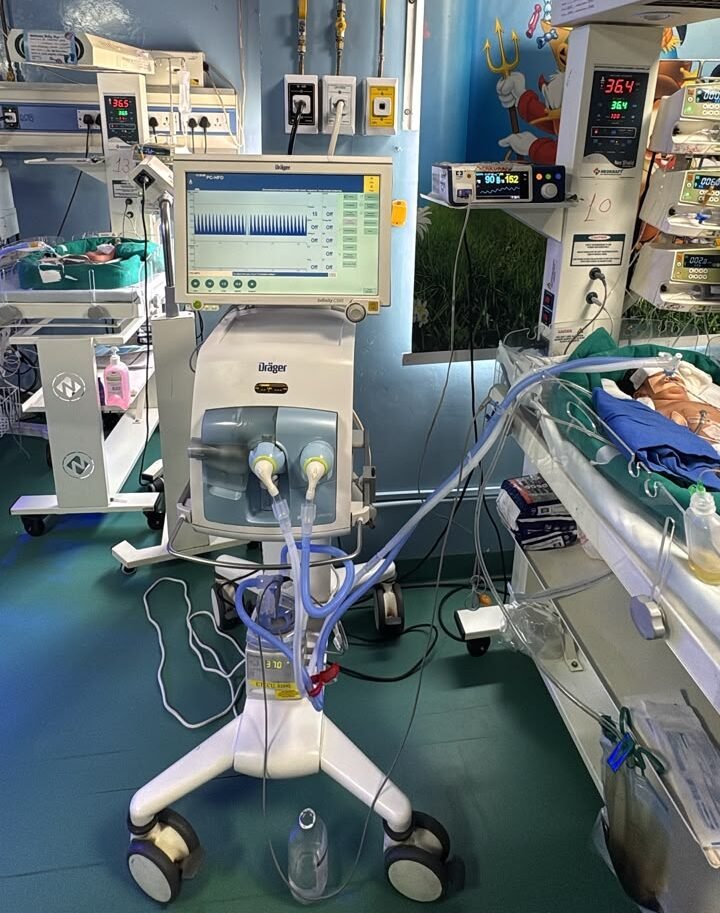
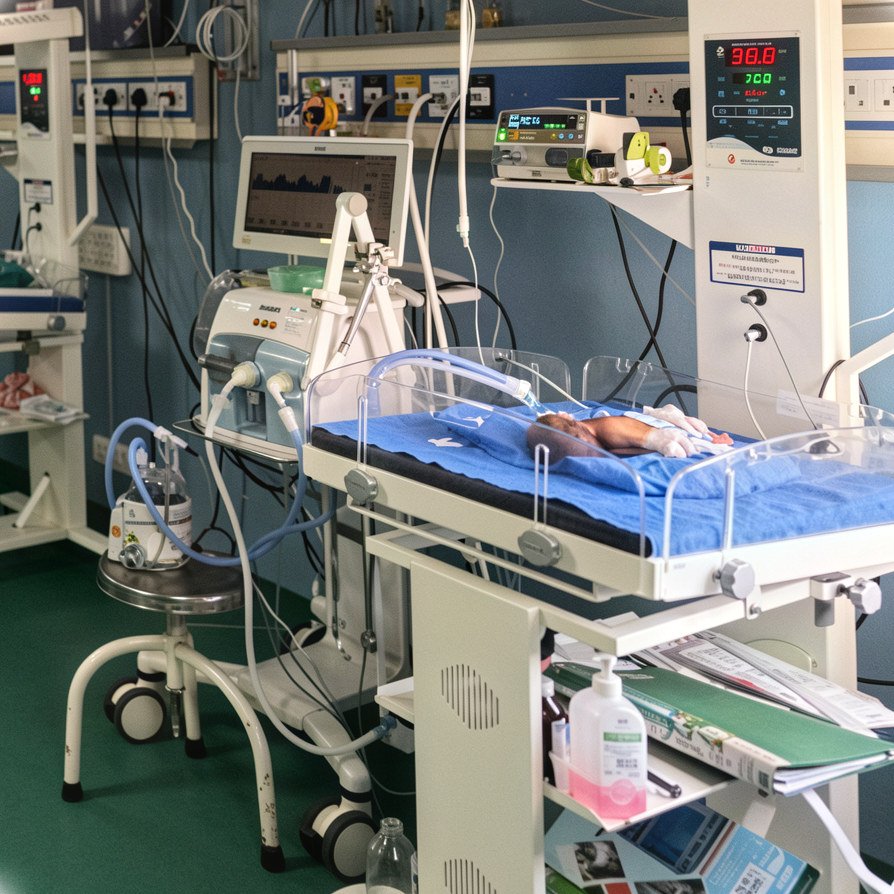
When a newborn struggles to breathe on their own, the right level of respiratory support started quickly and adjusted precisely can make all the difference. Our neonatal team provides graduated ventilation support matched to each baby’s condition.

24x7

Neonatologist led critical care

HFOV

High frequency ventilation available

iNO

Inhaled nitric oxide therapy

When ventilation support is needed

Signs a newborn may need breathing support

Rapid or laboured breathing

Fast breathing, grunting, or visible chest retractions shortly after birth.

Low oxygen levels

Blood oxygen readings that stay low despite basic oxygen
support.

Premature lungs

Babies born early often haven't finished developing the lungs' air sacs.

Breathing pauses

Repeated pauses in breathing that need monitoring and intervention.

Conditions we manage

Common reasons newborns need ventilation support

Newborns need breathing support for many reasons, not just prematurity. Some babies’ lungs need more time to mature, others may have swallowed fluid, picked up an infection, or have breathing pauses that need monitoring. Some have high lung blood pressure or low oxygen at birth. Advanced Neonatal Ventilation helps maintain oxygen levels and support developing lungs  every baby’s Advanced Neonatal Ventilation care plan is built around their specific needs, never one-size-fits-all.

Understanding the options

How the main modes of support compare

Oxygen support

Mild breathing difficulty

Baby breathes independently, extra oxygen is delivered through nasal prongs or a hood.

CPAP

Mild to moderate distress

Continuous gentle air pressure keeps the airways open between the baby’s own breaths.

Conventional ventilation

Moderate to severe distress

The ventilator takes over some or all of the work of breathing at a controlled, regular rate.

HFOV

Very fragile or underdeveloped lungs

Very small, rapid breaths reduce pressure on delicate lung tissue while still supporting oxygen exchange.

iNO therapy

High lung blood pressure (PPHN)

Used alongside ventilation to relax blood vessels in the lungs and improve oxygen delivery.

Surfactant Therapy

Helps premature babies with immature lungs

Supports premature babies with underdeveloped lungs by improving lung function and helping maintain effective breathing.

Keeping babies safe

Safety and infection control during ventilation

Babies on breathing support are more delicate when it comes to infection, so we’re careful about everything that comes near them. Everyone our staff and visiting family washes and sanitizes hands before touching the baby or any equipment. All tubing and equipment is kept scrupulously clean and changed the right way. We also keep a close eye on how many visitors are around the baby at once, simply to keep things safe. And every monitor stays switched on and watched around the clock, so if anything changes even slightly, our team knows immediately.

Frequently Asked Questions

1. How long does a baby usually stay on a ventilator?

It varies by condition and gestation from a few hours of support to a longer course for very premature babies. Our team reduces support gradually as the baby's own breathing strengthens.

2. Is ventilation only for premature babies?

No. Full-term babies can also need breathing support due to birth complications, infections, or lung conditions.

3. Can parents be present during treatment?

Yes, within the unit's hygiene and safety guidelines. Our team keeps parents informed at every stage.

4. Is this covered under government schemes?

Cashless treatment is available for eligible beneficiaries under applicable government schemes — our team can confirm eligibility.

5. Does ventilation always mean the baby is critically ill?

Not necessarily. Some babies need short term support to get through a difficult first day or two, while others need longer, more intensive care the level of support reflects the baby's specific condition.

6. Will my baby need a transfer to a bigger hospital?

Our unit provides the full range of respiratory support, from basic oxygen to HFOV and iNO therapy, so most babies can be treated here without a transfer.
Scroll to Top