Newborn & Premature Care
Gentle, expert care for babies who arrive early
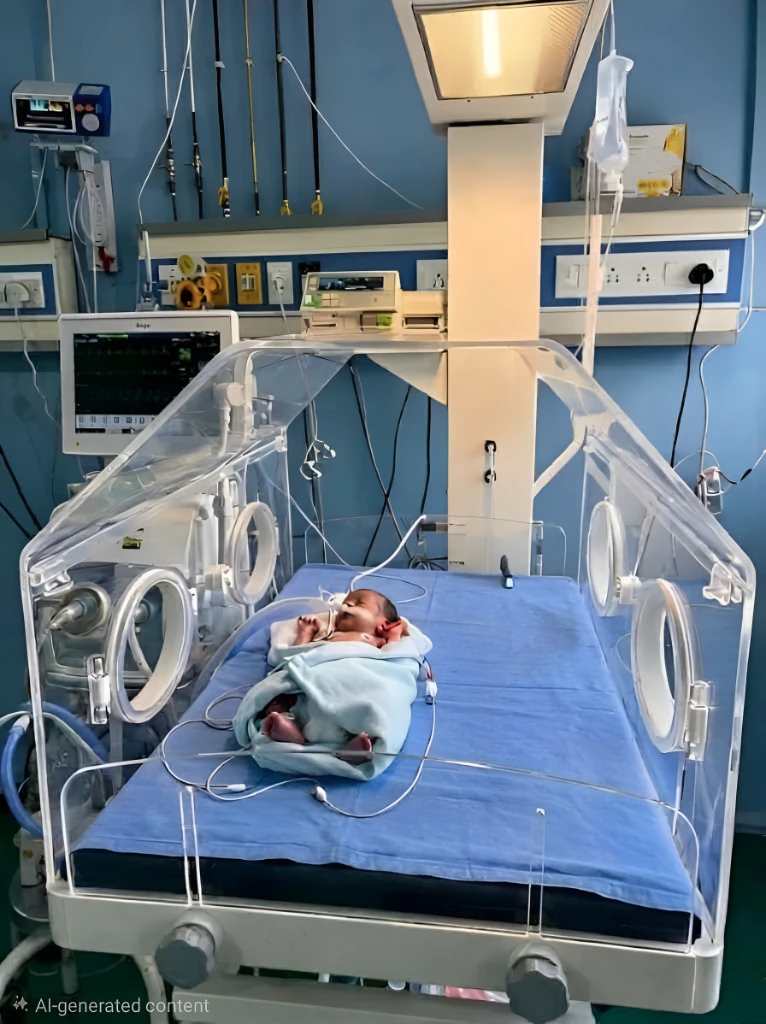
Every premature baby’s journey is different. Our team supports both the medical and emotional side of this stage from the first fragile hours to the day you carry your baby home.
When this care is needed
Signs your baby may need extra support
Not every early birth needs the same level of care. These are common reasons a baby is kept under closer observation.
Born before 37 weeks
Low birth weight
Breathing difficulty
Difficulty feeding or low sugar
Why premature babies need specialised care
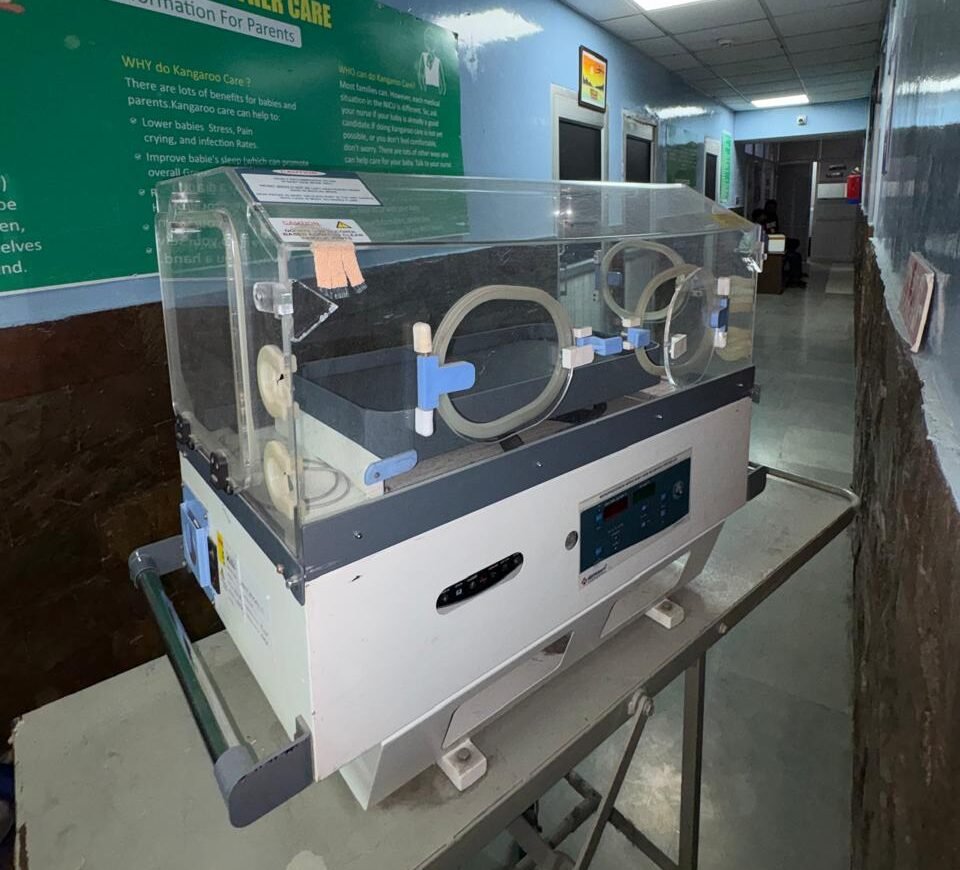
Babies born before 37 weeks often haven’t finished developing lungs, temperature control, or feeding reflexes. The risks are highest in the first hours and days which is why continuous monitoring and the ability to escalate care immediately matter more than almost anything else.
Our premature baby care unit is staffed and equipped to manage this window closely, from birth stabilisation through to the day a baby is ready to go home.
What to expect, stage by stage
Available 24×7 for emergencies.
Keeping babies safe
Safety and infection control during ventilation
Babies on breathing support are more delicate when it comes to infection, so we’re careful about everything that comes near them. Everyone our staff and visiting family washes and sanitizes hands before touching the baby or any equipment. All tubing and equipment is kept scrupulously clean and changed the right way. We also keep a close eye on how many visitors are around the baby at once, simply to keep things safe. And every monitor stays switched on and watched around the clock, so if anything changes even slightly, our team knows immediately.