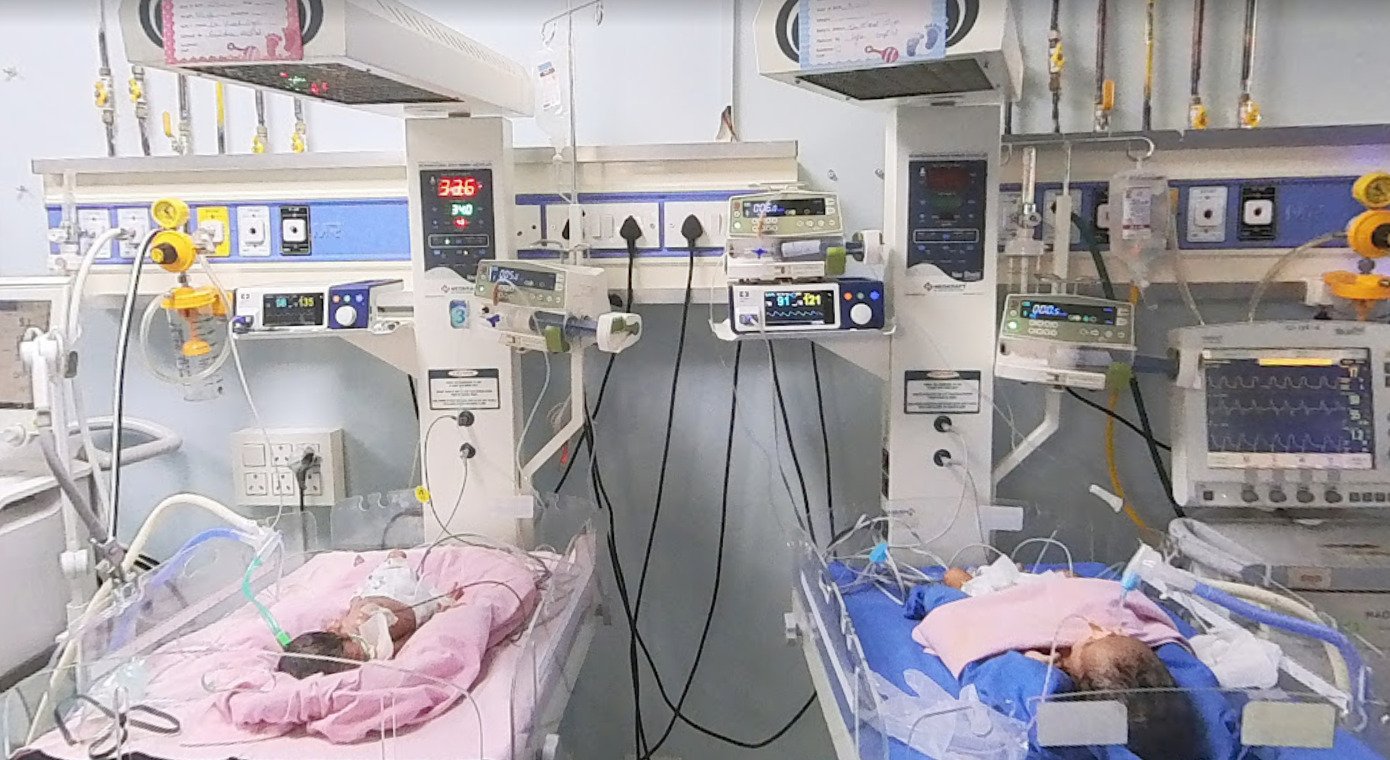
Restoring healthy oxygen levels in newborns
Inhaled Nitric Oxide (iNO) Therapy
Inhaled nitric oxide is a specialised respiratory therapy used in selected critically ill newborns, particularly in conditions such as persistent pulmonary hypertension of the newborn (PPHN) and severe hypoxemic respiratory failure. The decision to use iNO is made by the treating neonatal team according to the baby’s clinical condition.
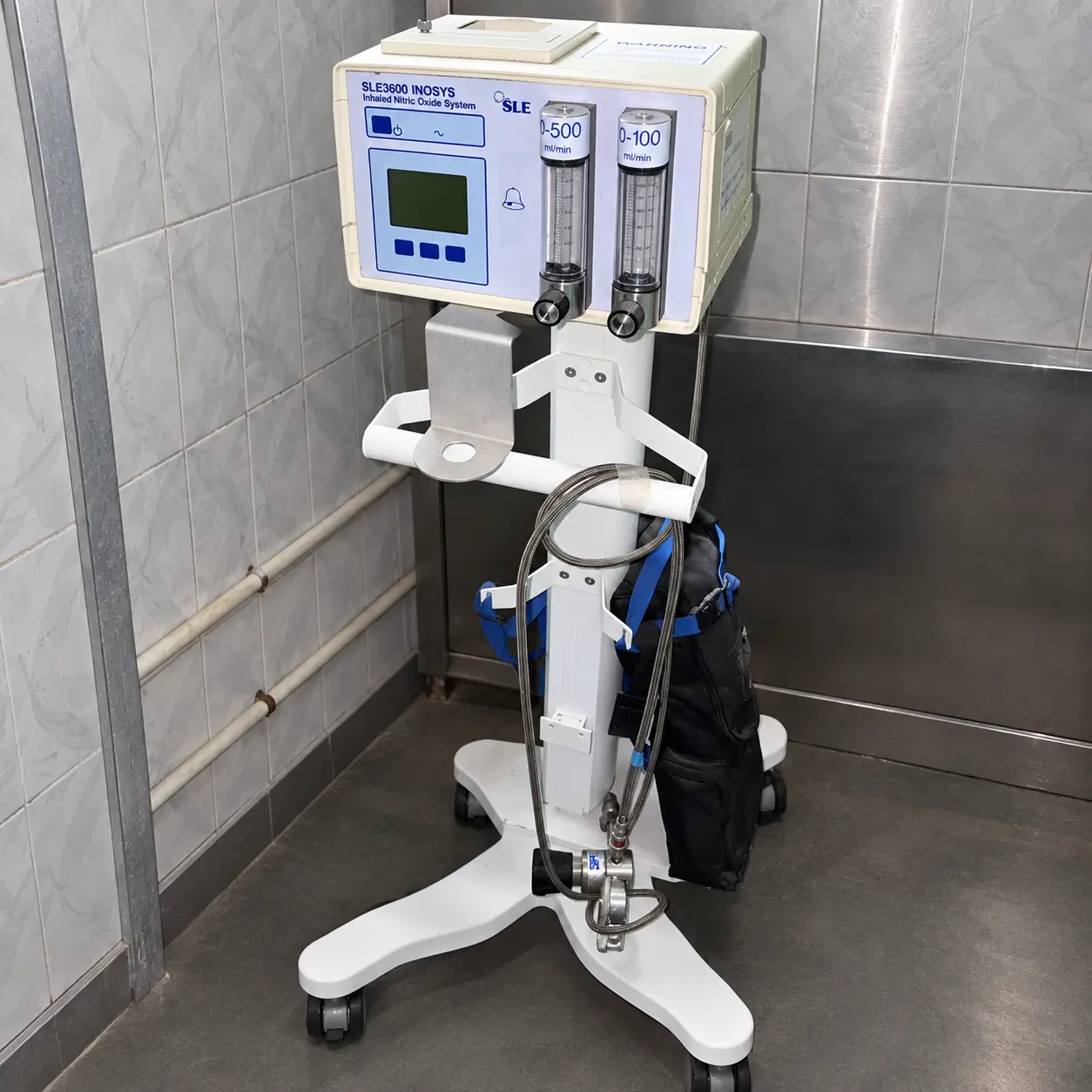
How we deliver it
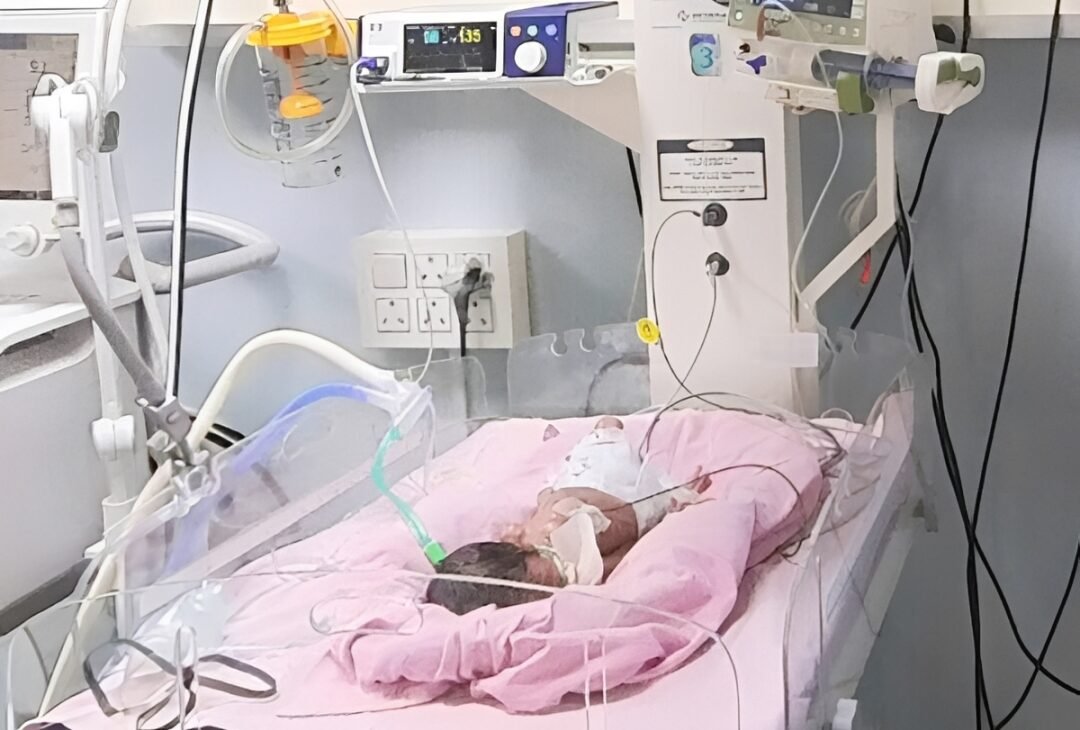
What iNO therapy does
Some newborns are born with blood vessels in the lungs that stay too narrow, so oxygen from each breath cannot reach the bloodstream properly. This condition occurs when a newborn develops persistent pulmonary hypertension or hypoxic respiratory failure.
Inhaled nitric oxide is a gas mix into the baby’s breathing circuit. It relaxes those narrow blood vessels in the lungs specifically, without affecting the rest of the body, so more blood can pick up oxygen with each breath.
In simple terms: iNO helps open the pathway inside the lungs so the oxygen a baby is already receiving can actually get to where it’s needed.
What else your baby receives alongside iNO
Supporting care available alongside iNO
Conventional and HFO ventilation
Continuous oxygen monitoring
Bedside echocardiography
24×7 neonatology team
When it's considered
Deciding whether a newborn needs iNO therapy is never based on a single reading. Our neonatology team looks at the complete picture, how the baby is responding to the ventilator, repeat oxygen and blood gas measurements over time, and a bedside echocardiogram to check the actual pressure inside the lung’s blood vessels. iNO is consider once this combine picture shows that oxygen levels are staying low despite full ventilator support, and that raise pressure in the lungs is the underlying reason. Conditions we commonly see this in include: