
A Level III NICU service

Therapeutic Hypothermia for Newborns

Controlled whole-body cooling that protects a newborn’s brain in the critical hours after birth asphyxia (HIE). Delivered in our Level III NICU under continuous cardiac monitoring, 24×7.
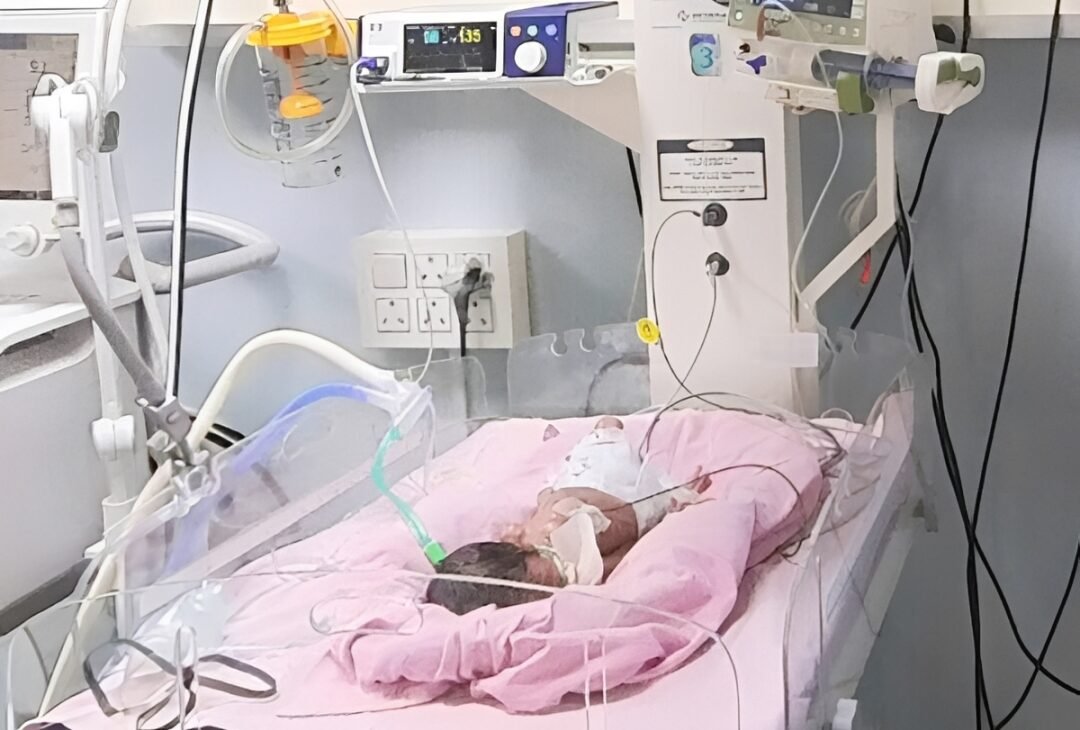
How we deliver it at DR. Vivneet's Vardaan Hospital

Controlled, servo-regulated cooling

A dedicated cooling unit holds the baby's core temperature within a narrow, safe range for the full 72-hour protocol, not manual or estimated cooling.

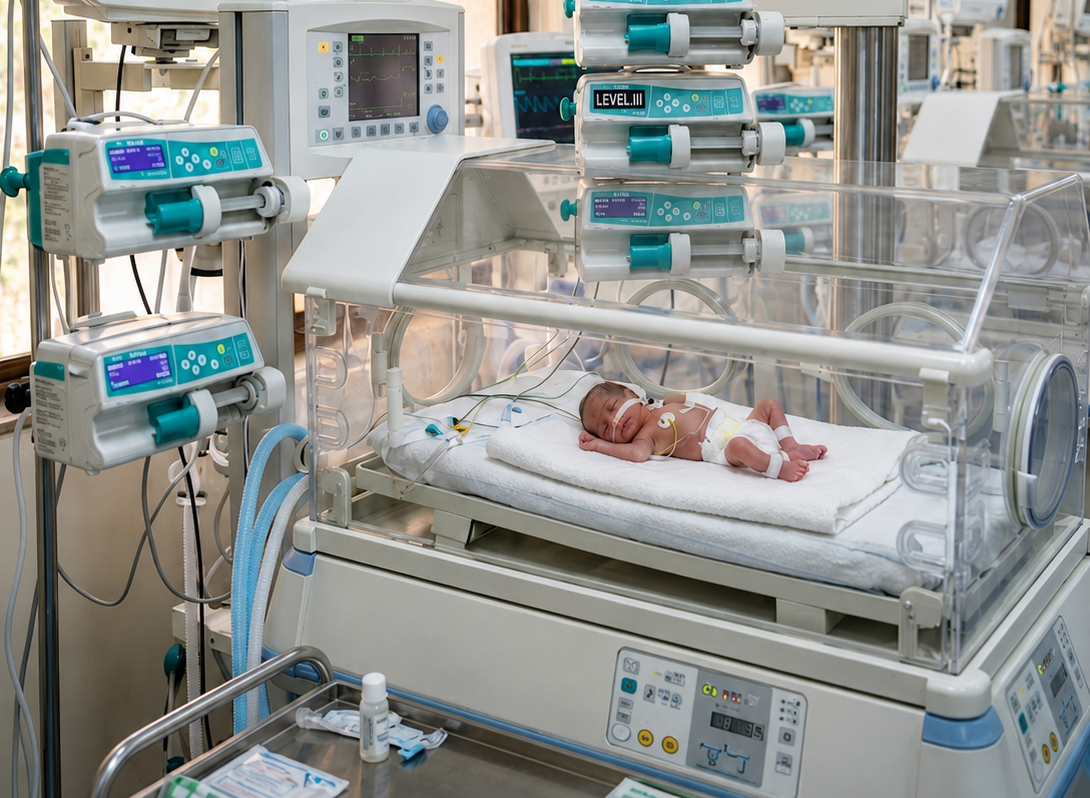
Continuous brain monitoring

aEEG/CFM tracks the baby's brain activity throughout cooling and rewarming, so the team can catch seizures and gauge recovery in real time.

Full critical care support alongside

Ventilation, cardiac and blood pressure support, and metabolic monitoring continue in parallel, HIE rarely affects the brain in isolation.

Structured rewarming

Rewarming is done gradually and under monitoring, since this phase carries its own risks if rushed.

What therapeutic hypothermia does

When a baby lacks oxygen around birth, brain injury can continue for hours after the event. This condition is called hypoxic-ischemic encephalopathy (HIE). Cooling the baby to about 33.5°C for 72 hours helps slow further brain injury and Therapeutic hypothermia gives the baby the best chance to recover.

It is the only proven treatment that helps protect the brain in moderate-to-severe HIE. It should begin within six hours of birth to work effectively. This makes early recognition and quick transfer just as important as the treatment itself.
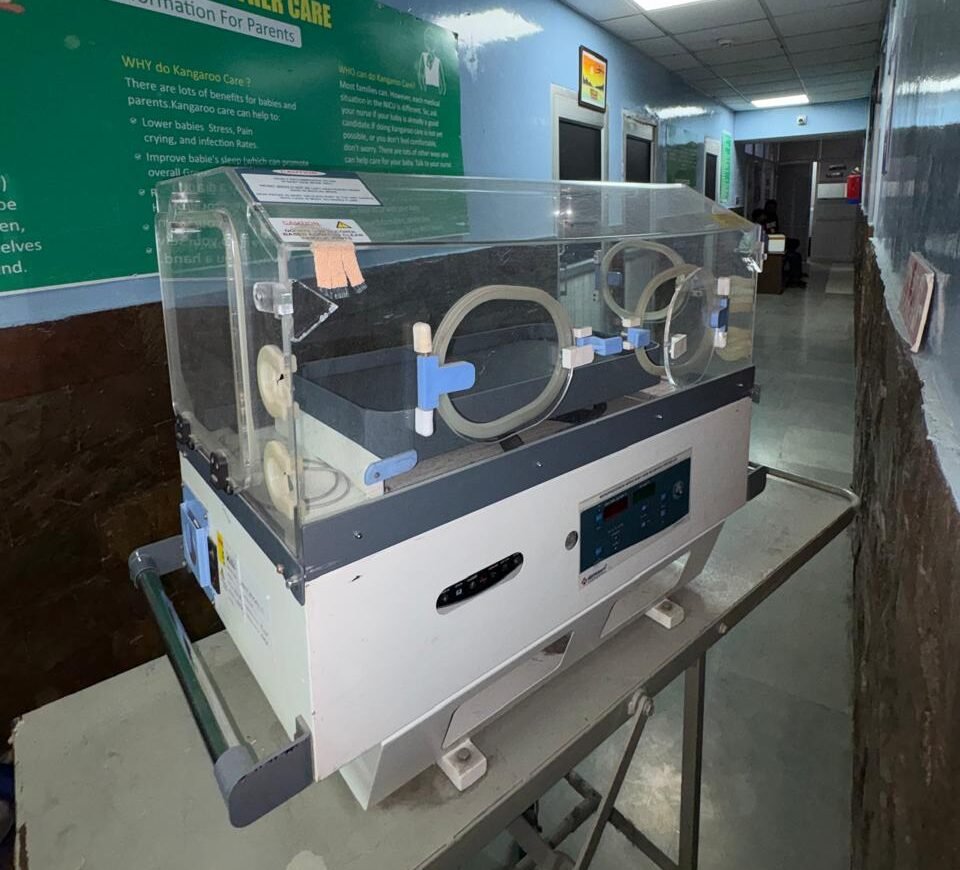
What the 72 hours look like

1
Assessment & eligibility
The baby is examined for signs of HIE. Blood gas results, medical history, and a neurological exam help confirm if cooling is needed.
2
Cooling
initiated
Cooling starts within 6 hours of birth. The baby's temperature is gently lowered to 33.5°C. aEEG monitoring is also started.
3
Controlled cooling
Cooling continues for 72 hours with close monitoring of temperature and vital functions.
4
Gradual rewarming
Temperature is raised slowly over several hours under close monitoring to avoid rebound complications.
5
Recovery & follow-up
The baby is monitored through recovery, with ongoing neurological assessment and a follow-up .

Why families are referred to DR. Vivneet's Vardaan Hospital for this

Therapeutic hypothermia only works within a narrow time window and requires equipment and monitoring that many hospitals are not set up to sustain for 72 continuous hours. Our NICU runs this protocol under neonatologist supervision around the clock, with transport support for babies who need to be brought in from other hospitals or nursing homes across the region.
Frequently Asked Questions

1. Is therapeutic hypothermia painful or risky for the baby?

The baby is sedated and closely monitored throughout. Some effects such as low heart rate or mild skin changes can occur during cooling, which is why continuous monitoring runs alongside the treatment for the full 72 hours.

2. Why does treatment have to start within 6 hours of birth?

The protective effect of cooling comes from slowing the brain injury before it progresses. Starting later reduces how much benefit the treatment can offer, which is why fast recognition and transfer are emphasised.

3. Can a baby be transferred here from another hospital for this?

Yes. Our team coordinates neonatal transport for babies referred from other hospitals or nursing homes, and can advise the referring team on stabilisation while transport is arranged.

4. What happens after the 72 hours of cooling?

The baby is rewarmed gradually under monitoring, then observed through recovery. The team continues neurological assessment and sets up a follow-up plan to track development.

5. Does every baby with a difficult birth need this treatment?

No. It's used specifically for moderate-to-severe HIE, based on Apgar scores, blood gas results and a neurological exam. Our neonatology team assesses each baby individually before starting the protocol.
Scroll to Top