
24×7 Neonatal Critical Care
aEEG/Brain Monitoring for Newborns
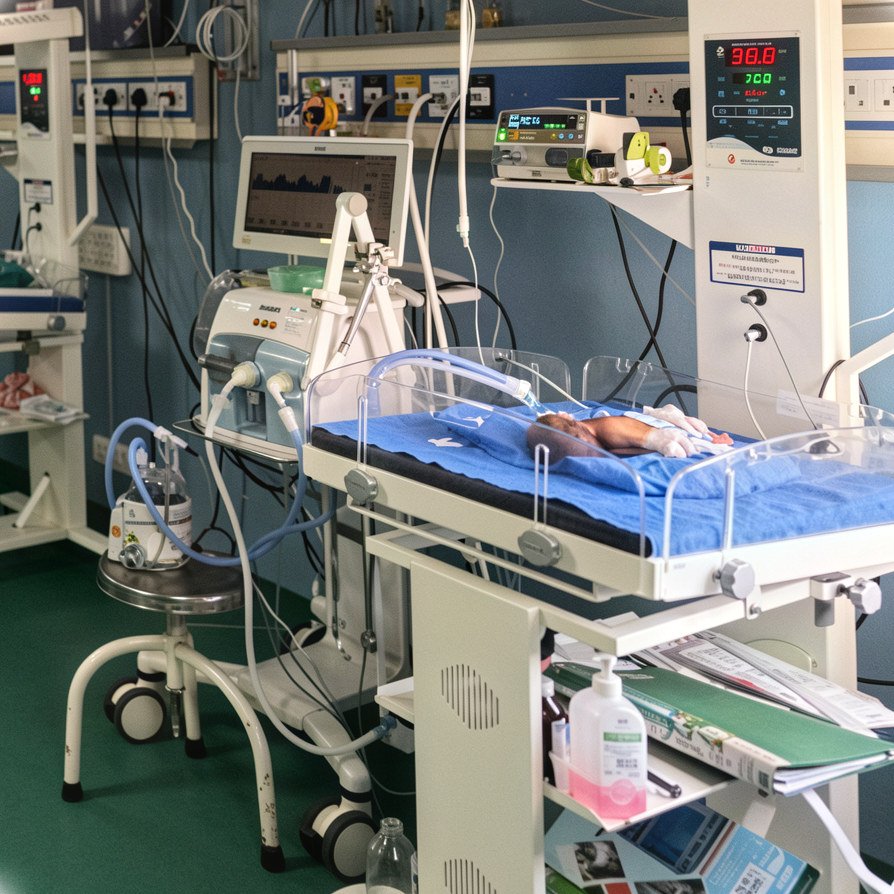
Continuous, bedside amplitude-integrated aEEG monitoring that lets our neonatologist in patiala and neonatal team watch a baby’s brain activity in real time during birth asphyxia, seizures, therapeutic hypothermia, and other critical newborn conditions.
Why it matters for a critically ill newborn
A newborn in distress can look outwardly stable while the brain is under significant stress, or can have seizures that produce no visible movement at all. aEEG closes that gap between what a baby’s body shows and what the brain is actually experiencing.
Detects silent seizures
Guides cooling therapy
Tracks recovery trends
Informs family conversations
What aEEG monitoring is
In Short
Amplitude-integrated EEG (aEEG) is a simplified, continuous form of brain-wave monitoring. A small set of scalp sensors track the baby’s background brain activity and pick up seizure activity, giving our neonatal team a live picture of brain function at the cot-side, hour after hour not just a single snapshot.
Unlike a standard EEG, which is read at one point in time by a specialist, aEEG is designed to run continuously in the NICU and be interpreted at the bedside by the treating neonatology team, so changes in a baby’s brain activity are seen as they happen.
How monitoring works in our NICU
Sensor placement
Continuous recording
Bedside interpretation
NICU-Integrated Care
When we use aEEG
- Babies with birth asphyxia or hypoxic-ischaemic encephalopathy (HIE), including those undergoing therapeutic hypothermia
- Newborns with suspected or confirmed seizures
- Extremely preterm babies at higher risk of brain bleeds or injury
- Babies on ventilator support, HFOV or iNO therapy where sedation can mask clinical signs
- Infants recovering from a difficult delivery, cardiac arrest, or severe infection affecting the brain
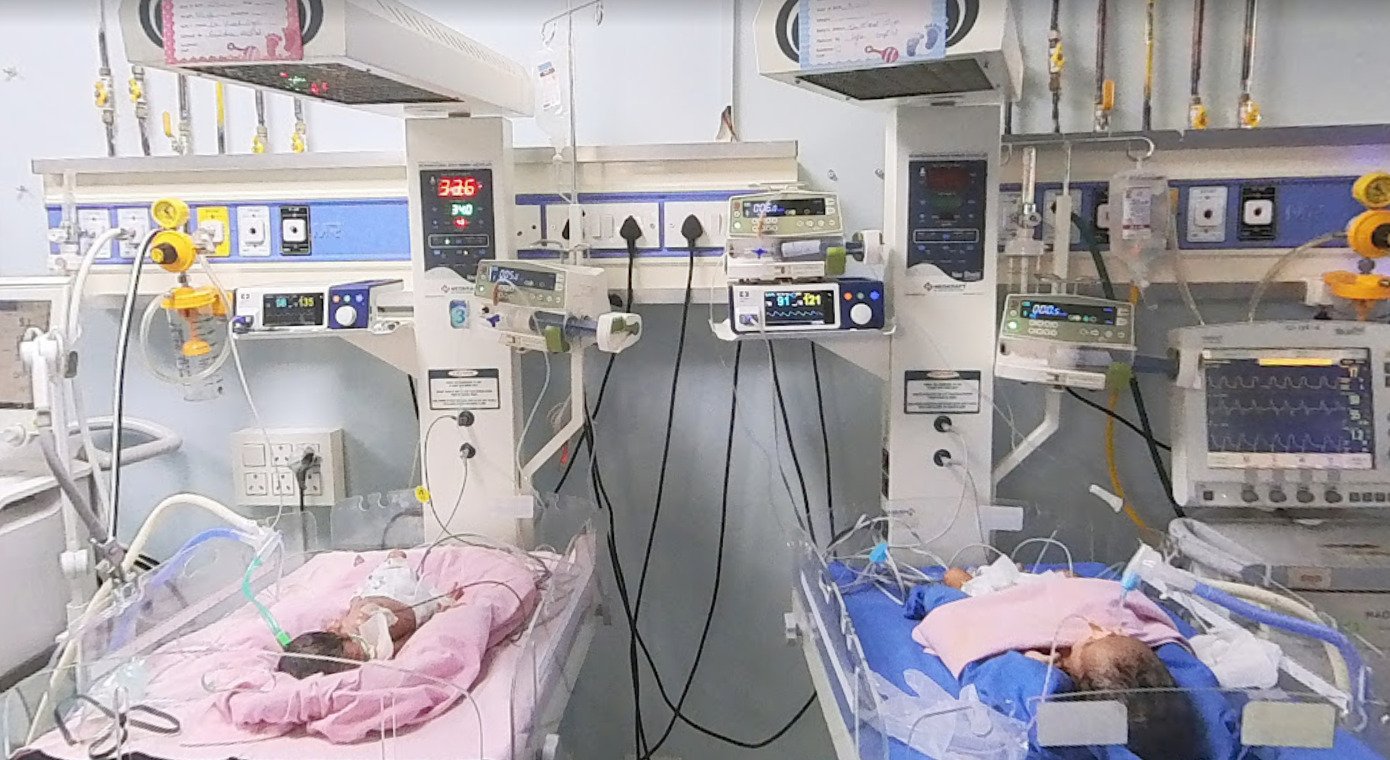
- Any critically ill newborn where the neonatology team needs continuous insight into brain function, not periodic checks