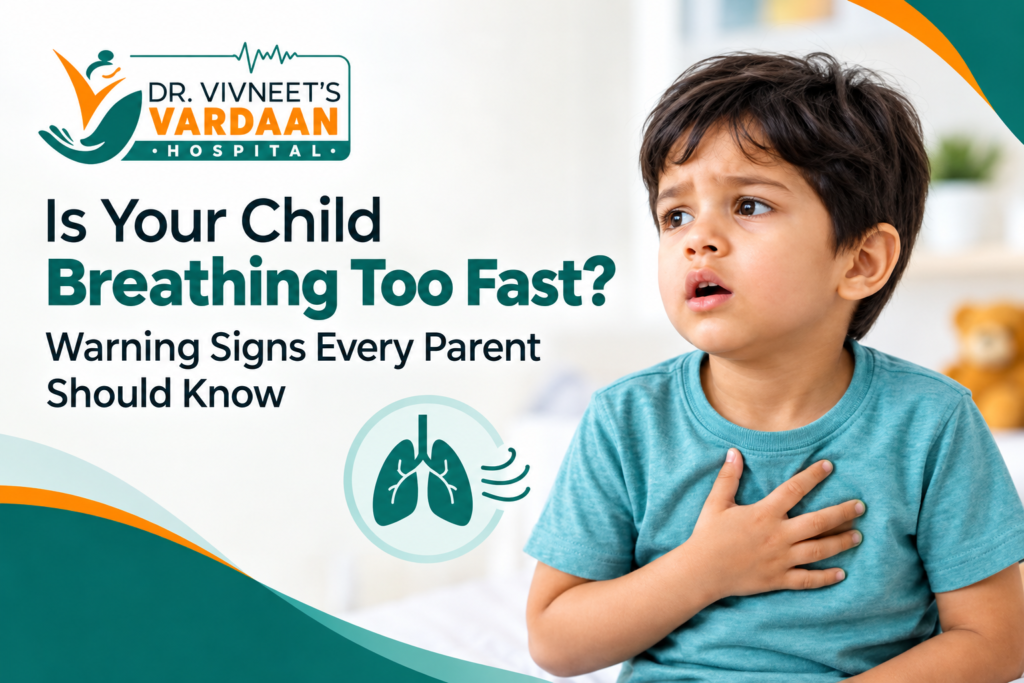
Is Your Child Breathing Too Fast? Warning Signs Every Parent Should Know
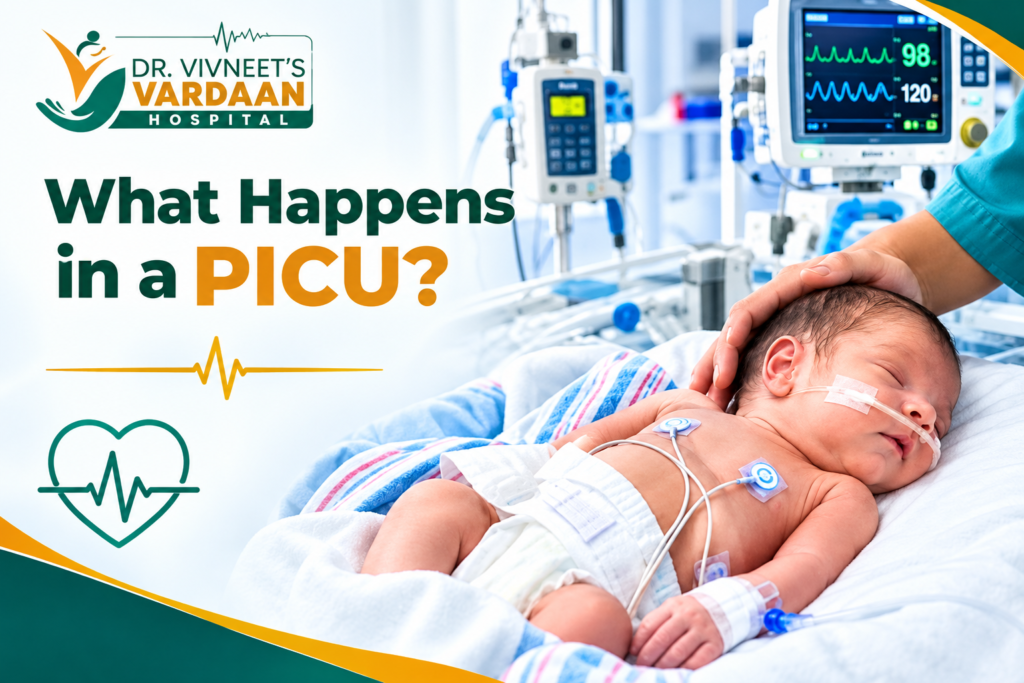
Is Your Child Breathing Too Fast? Warning Signs Every Parent Should Know A cough can sound much worse at night. You may find yourself watching your child sleep, wondering: “Is this normal, or is my child struggling to breathe?” The answer is not always in how loud the cough sounds. It is often in how hard your child is working to breathe, how they are behaving and whether they can drink or feed normally. Most colds do not require intensive care. But children, especially babies, can become unwell quickly. Knowing a few signs can help you decide when to seek medical attention. Get emergency help immediately If your child has blue or grey lips, stops breathing or has breathing pauses, is struggling for every breath, cannot speak or cry because of breathlessness, or is floppy or difficult to wake, go to the nearest emergency department or call 112 in India. Do not delay emergency care to reach a particular hospital. When is a same-day doctor visit needed? Seek urgent medical advice if fast breathing continues when your child is calm, the chest is pulling in, wheezing or harsh breathing sounds appear, your child drinks much less than usual, or urine/wet nappies decrease. A baby younger than three months with a temperature of 38°C or higher needs prompt medical assessment, even if the breathing signs seem mild. If symptoms are severe or worsening rapidly, use emergency services instead of waiting for an appointment. Why do children develop breathing trouble? Breathing difficulty can have several causes. Therefore, parents should avoid trying to identify the cause from one symptom alone. For example, a viral infection may affect the small airways and cause bronchiolitis. Pneumonia can affect the lungs, while asthma can cause airway narrowing and inflammation. Similarly, croup can cause a barking cough and a harsh breathing sound. In addition, a severe allergic reaction or an inhaled object can cause sudden breathing problems. The timing and pattern also matter. For instance, doctors may ask whether your child had a cold first, whether there is a fever, or whether the breathing problem started suddenly while eating or playing. As a result, a medical examination is important when breathing symptoms are persistent, worsening, or concerning. What can parents do while arranging help? Keep observing. Notice the effort of breathing, alertness and whether your child can drink. Recheck often, including overnight when ill. For a mildly congested baby who is otherwise breathing comfortably, plain saline nose drops and gentle nasal clearing may help feeding. Follow your paediatrician’s advice. Offer small, frequent feeds if your child can feed safely. If breathing is too difficult for feeding, seek urgent medical care rather than forcing feeds. Follow an existing asthma action plan if your child has one; get urgent help if symptoms are not improving or are getting worse. Avoid smoke exposure. Do not start antibiotics, cough-and-cold medicines or new breathing treatments on your own. What will the doctor check? A paediatrician looks at more than the cough. They will assess how much effort each breath takes, check oxygen levels when appropriate, listen to the chest and consider feeding, hydration, age and underlying conditions. Tests such as a chest X-ray are use when clinically need – not automatically for every child with a cold. Treatment depends on the cause and how sick the child is. When may a child need hospital admission? Some children need oxygen, help with hydration, medicines or observation because their breathing is not improving. Hospital admission is based on the overall assessment; it is not automatic for every case of bronchiolitis, asthma or pneumonia. A doctor may recommend more intensive monitoring if a child is tiring, has breathing pauses, needs increasing breathing support or is not maintaining adequate oxygen despite treatment. What does PICU care mean for your child? PICU stands for Paediatric Intensive Care Unit. It is a place for children who need closer monitoring or treatment than a regular ward can provide. A PICU admission does not automatically mean that a child needs a breathing tube or a ventilator. The team may monitor breathing, heart rate and oxygen levels closely, treat the illness causing the difficulty and adjust support as needed. Some children improve with oxygen and medicines; others need additional help with breathing. The team reviews the child repeatedly so that treatment can be increase or reduce according to the response. What parents can ask the PICU team What is making my child’s breathing difficult? What changes are you watching for in the next few hours? How will we know that the treatment is helping? When might breathing support be reduced or ward care become appropriate? Paediatric respiratory care in Patiala At Dr. Vivneet’s Vardaan Hospital, Patiala, children with significant breathing difficulties can be assessed by the paediatric team, including Dr. Vivneet Singh and paediatric intensivist Dr. Neeraj. Their treatment decisions are guided by the child’s condition, not by a fixed machine-based approach. When clinically needed, the hospital has options for advanced respiratory support, including high-flow oxygen and specialised neonatal ventilation. Not every treatment suits every age or illness; the treating specialist decides what is appropriate. The main message for parents Do not wait for blue lips or extreme exhaustion before seeking help. If your child is breathing harder or faster than usual, feeding poorly or becoming less responsive, get them assessed promptly. Frequently asked questions Does fast breathing with fever always mean pneumonia? No. Several infections and other conditions can cause it. A clinician needs to examine the child and decide whether any tests are needed. Does every child with pneumonia need a PICU? No. PICU care is considered when a child needs intensive monitoring or additional support, not simply because of the name of the illness. Should I wait until morning if my child is breathing fast at night? Not if they are struggling, the chest is pulling in, they are feeding poorly, or you are concerned their condition is worsening. Severe signs are an emergency. Can my baby