Child Hospital in Patiala

PICU hospital in Patiala for children
Blog

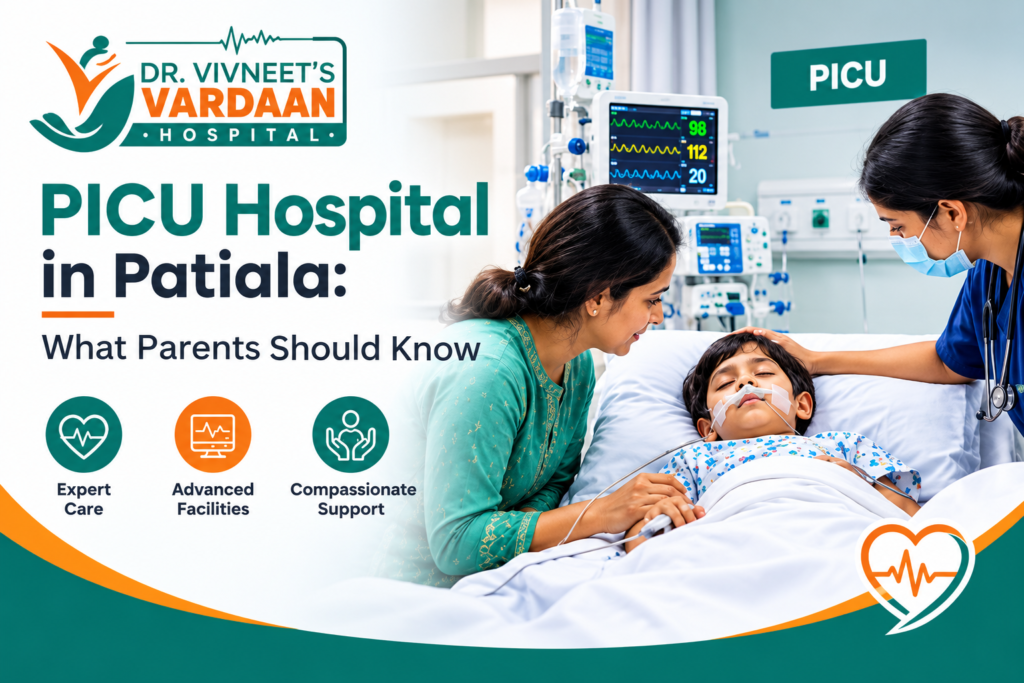
PICU Hospital in Patiala: What Parents Should Know

PICU Hospital in Patiala: What Parents Should Know When a child becomes very sick, parents may feel worried and confused about what to do. In some cases, children need close care, regular monitoring, and special treatment in a Pediatric Intensive Care Unit (PICU). A PICU hospital in Patiala provides special care for babies, children, and teenagers who need close monitoring and medical support. Knowing when PICU care may be needed can help parents stay prepared during an emergency. What Is a PICU? PICU stands for Pediatric Intensive Care Unit. It is a special hospital unit that cares for children with serious illnesses, injuries, or health problems that need close monitoring and medical care. In the PICU, a trained medical team continuously monitors the child’s: Breathing and oxygen levels Heart rate and blood pressure Body temperature Fluid levels in the body Brain and nerve function How the child responds to treatment The treatment depends on the child’s age, symptoms, health problem, and overall health. When Does a Child Need PICU Care? Not every sick child needs intensive care. Doctors may recommend PICU care when a child needs closer monitoring or special treatment that a regular pediatric ward cannot provide. A child may need PICU care because of: Severe breathing problems Serious infections Severe pneumonia Sepsis Major injuries or accidents Severe dehydration Seizures that need close monitoring Serious problems after surgery Certain heart or brain-related conditions Health problems that need breathing or other organ support The medical team checks each child carefully before deciding if intensive care is need. What Happens in a PICU? A PICU provides continuous monitoring and special medical care. Depending on the child’s condition, the healthcare team may use: Oxygen therapy Breathing support Intravenous medicines and fluids Continuous heart and oxygen monitoring Blood tests and other investigations Nutritional support Treatment for infections Close monitoring after surgery or a serious illness The medical team changes the treatment based on how the child responds. How Is PICU Different From a General Pediatric Ward? A general pediatric ward cares for children who need hospital treatment but do not need constant close monitoring. A PICU is design for children who need closer monitoring and more medical support. In a PICU, the medical team can watch the child closely and act quickly if the child’s condition changes. How Can Parents Support Their Child in the PICU? Parents can play an important role during their child’s hospital stay. You can help by: Staying calm and reassuring your child Sharing your child’s medical history with the healthcare team Informing doctors about medicines and allergies Following infection-control instructions Asking questions when something is unclear Following the medical team’s advice Supporting your child’s emotional needs It is normal to have questions when your child is in intensive care. Parents should feel free to talk to the medical team about any concerns or questions. Choosing a PICU Hospital in Patiala If your child needs intensive care, choose a hospital with proper pediatric facilities and trained medical professionals. Parents may consider factors such as: Availability of pediatric intensive care Experienced pediatric medical team Continuous monitoring facilities Emergency care support Respiratory support when clinically required Diagnostic facilities Infection-control practices Communication with parents and caregivers Dr. Vivneet’s Vardaan Hospital provides specialised mother and child healthcare in Patiala. The hospital offers pediatric and intensive care services based on the child’s medical needs. When Should Parents Seek Urgent Medical Care? Parents should seek urgent medical help if their child develops serious symptoms such as: Severe difficulty breathing Blue or grey lips or skin Unusual sleepiness or difficulty waking Seizures Severe dehydration Loss of consciousness Severe or rapidly worsening illness Significant injury A child who appears seriously unwell If you are worry about your child’s health, seek medical help quickly instead of waiting for the symptoms to get worse. Conclusion When a child needs intensive medical care, quick assessment and close monitoring are important. A PICU hospital in Patiala can provide specialised care and treatment for children with serious or complex health problems. Dr. Vivneet’s Vardaan Hospital provides pediatric and intensive care services based on each child’s medical needs. Parents should always discuss their child’s condition and treatment options with the medical team. Follow up Instagram and Facebook for more information. FAQs About PICU Hospital in Patiala What does PICU stand for? PICU stands for Pediatric Intensive Care Unit. It provides special care and continuous monitoring for children who are seriously ill or need intensive medical support. Is PICU only for very sick children? PICU care is usually for children who need closer monitoring or special treatment that a regular pediatric ward cannot provide. Doctors carefully check each child’s condition before recommending PICU care. Can babies be admit to a PICU? Yes. Babies may need intensive care depending on their age and health condition. Newborn babies may receive specialised care in a NICU when neonatal intensive care is more suitable. How long does a child stay in the PICU? The length of stay can vary. It depends on the child’s health problem, response to treatment, and need for close monitoring or medical support. Is PICU the same as NICU? No. A NICU (Neonatal Intensive Care Unit) mainly cares for newborn babies who need special intensive care. A PICU provides intensive care for babies, children, and teenagers based on their medical needs. PICU stands for Pediatric Intensive Care Unit. It provides special care and continuous monitoring for children who are seriously ill or need intensive medical support. PICU care is usually for children who need closer monitoring or special treatment that a regular pediatric ward cannot provide. Doctors carefully check each child’s condition before recommending PICU care. Yes. Babies may need intensive care depending on their age and health condition. Newborn babies may receive specialised care in a NICU when neonatal intensive care is more suitable. The length of stay can vary. It depends on the child’s health problem, response to treatment, and need for close monitoring or medical support. No. A NICU (Neonatal
Vaccination in children at a child hospital in Patiala
Blog

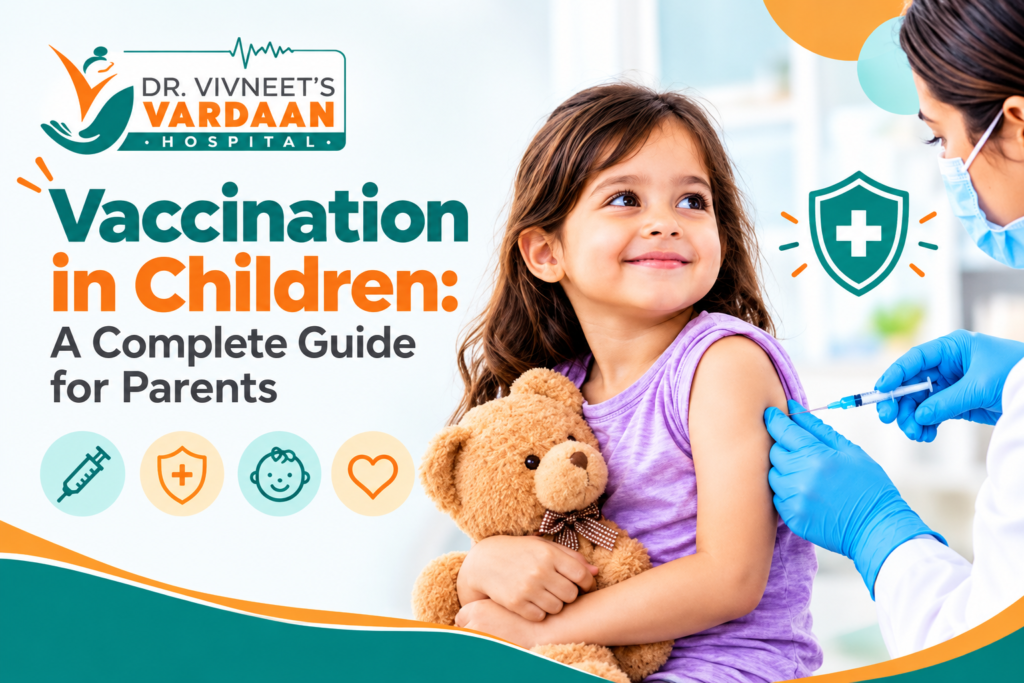
Vaccination in Children: A Complete Guide for Parents

Vaccination in Children: A Complete Guide for Parents Vaccination is an important way to protect children from serious infections. In addition, vaccines help the immune system recognise harmful germs and, as a result, prepare the body to fight these infections. For parents, following the recommended vaccination schedule helps protect children at different stages of growth. Regular visits to a child hospital in Patiala can also help parents keep their child’s vaccination record updated. Why Is Vaccination Important for Children? Children can be more likely to get certain infections because their immune systems are still developing. Vaccines help prepare their immune system to fight diseases before they are expose to them. Childhood vaccines can help protect against illnesses such as: Measles Polio Diphtheria Tetanus Pertussis (whooping cough) Hepatitis B Haemophilus influenzae type b (Hib) Pneumococcal disease Rotavirus Chickenpox, where recommended Vaccination also contributes to community protection by reducing the spread of certain infections. When Should Children Get Vaccinate? Vaccines are generally give according to a child’s age-base schedule. Some vaccines need more than one dose to build and maintain protection. The recommended vaccination schedule may depend on national guidelines, the child’s age, previous vaccinations, health conditions, and other important factors. In addition, a healthcare professional can help parents understand which vaccines may be recommended for their child. Parents should therefore maintain their child’s vaccination card and discuss the schedule with a qualified paediatrician. What Vaccines Do Children Need? The childhood vaccination schedule may include vaccines that protect against several serious infections. In addition, these vaccines help strengthen the child’s immune system and support protection against preventable diseases. Based on the child’s age and vaccination history, a doctor may recommend vaccines such as: BCG Vaccine BCG vaccination helps protect against severe forms of tuberculosis, particularly in children. Polio Vaccine Polio vaccination helps protect children from poliovirus, which can cause serious illness and paralysis. Therefore, following the recommended vaccination schedule is important for maintaining protection against polio. DTaP/DTP Vaccine These vaccines help protect against diphtheria, tetanus, and pertussis. Hepatitis B Vaccine Hepatitis B vaccination helps protect children from the hepatitis B virus, which can cause infection and affect the liver. Therefore, vaccination can help reduce the risk of hepatitis B infection in children. Hib Vaccine The Hib vaccine helps protect against serious infections caused by Haemophilus influenzae type b. Therefore, it plays an important role in protecting children from certain serious bacterial infections. Pneumococcal Vaccine Pneumococcal vaccination helps protect children from infections caused by pneumococcal bacteria. For example, these infections can include some cases of pneumonia and meningitis. Rotavirus Vaccine Rotavirus vaccination helps protect babies and young children from rotavirus infection. As a result, it can help reduce the risk of severe diarrhoea and dehydration caused by the infection. MMR Vaccine The MMR vaccine helps protect against measles, mumps, and rubella. The exact vaccines and timing should follow the vaccination schedule recommended by your child’s healthcare professional. Therefore, parents should consult their child’s healthcare professional for personalised vaccination guidance. Are Vaccines Safe for Children? Vaccines are test and monitor for safety and effectiveness. However, like medicines, they may sometimes cause mild side effects. Common reactions may include: Mild fever Pain or tenderness at the injection site Redness or swelling Irritability Tiredness These reactions are usually mild and temporary. However, parents should contact a healthcare professional if their child develops unusual or worrying symptoms after vaccination. What Should Parents Do Before Vaccination? Before your child’s vaccination appointment: Carry the child’s vaccination record. Tell the doctor about any previous vaccine reactions. Inform the doctor about significant medical conditions or current medicines. Mention if your child is currently unwell. Ask about the vaccine being give and its possible side effects. Follow the recommended schedule for future doses. A paediatrician can check your child’s health and, therefore, decide if vaccination should continue or if a dose needs to be delayed in certain situations. What If My Child Misses a Vaccine? Do not panic if your child misses a scheduled vaccination. Contact your paediatrician and bring your child’s vaccination record to the appointment. This way, the doctor can check previous doses and suggest a suitable catch-up schedule if needed. Parents should avoid restarting or repeating vaccines without professional advice. Can a Child Get Vaccinat When They Have a Mild Illness? A mild illness does not always mean that vaccination needs to be delayed. However, the decision depends on the child’s symptoms and overall health. If your child has a fever, is seriously unwell, or has another health concern, speak with a paediatrician before vaccination. Vaccination and Child Healthcare Vaccination is one important part of keeping children healthy. Regular paediatric check-ups can help monitor your child’s growth, development, nutrition, and overall health. At Dr. Vivneet Vardaan Hospital, parents can consult the paediatric team for their child’s healthcare needs, including vaccination guidance and age-appropriate preventive care. In addition, the team can help parents understand recommended vaccines and routine health needs. Conclusion Vaccination in children helps protect them from many serious infectious diseases. Keeping vaccinations up to date can provide protection during different stages of childhood. Parents should follow the recommended vaccination schedule and keep their child’s vaccination records updated. In addition, if they have questions about missed doses, side effects, or vaccination timing, they should speak with a qualified paediatrician. Dr. Vivneet Vardaan Hospital provides paediatric care in Patiala. In addition, the paediatric team helps parents understand their child’s health needs and make informed decisions about preventive care. Follow up Instagram and Facebook for more information. Frequently Asked Questions About Vaccination in Children Why is vaccination important for children? Vaccination helps protect children from several serious infectious diseases. It prepares their immune system to recognise and fight specific infections. What happens if my child misses a vaccine? Speak with your child’s paediatrician. The doctor can check the vaccination record and recommend a suitable catch-up schedule if needed. Can vaccines cause fever? Some children may have a mild fever after vaccination. Other common reactions include temporary soreness, redness, or swelling

Child with fever receiving care at a child hospital in Patiala
Blog

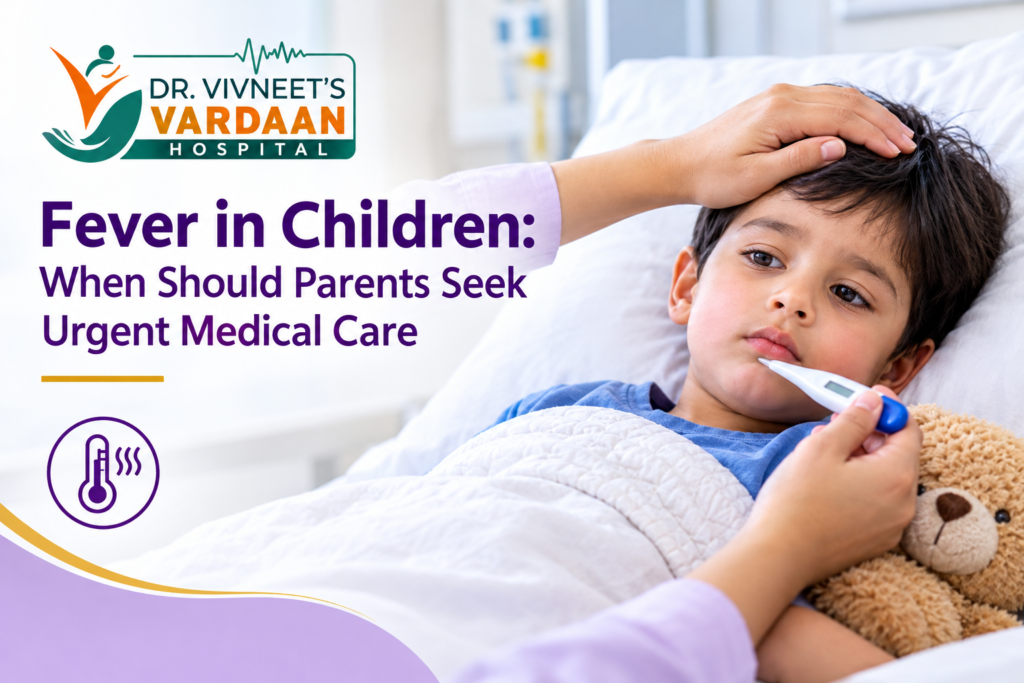
Fever in Children: When Should Parents Seek Urgent Medical Care

Fever in Children: When Should Parents Seek Urgent Medical Care? Fever is common in children and often happens when the body is fighting an infection. In most cases, fever gets better with rest, plenty of fluids, and proper care. However, some signs may mean that a child needs urgent medical care. Knowing when to seek help can help parents act quickly when their child becomes seriously ill. If you are looking for a child hospital in Patiala, Dr. Vivneet Vardaan Hospital offers specialised medical care for children and newborns. What Is Fever in Children? Fever means a child’s body temperature is higher than normal. It often happens when the body is fighting an infection, such as a cold, flu, throat infection, or ear infection. Fever is usually a sign of an illness, not a disease itself. Parents should also watch how their child feels and behaves and check for any other symptoms. For example, a child with fever may: Feel warmer than usual Become tired or less active Have chills or sweating Eat or drink less Become irritable Sleep more than usual Most childhood fevers are not serious. However, certain warning signs need prompt medical assessment. When Should Parents Seek Urgent Medical Care? Parents should seek urgent medical care if their child has a fever along with concerning symptoms. 1. Difficulty Breathing Seek urgent medical help if your child has: Fast or difficult breathing Severe breathlessness Grunting while breathing Blue or grey lips or skin Significant chest movement while breathing Breathing problems can sometimes indicate a serious infection or another condition that requires immediate assessment. 2. Your Child Is Very Sleepy or Difficult to Wake A child may sleep more than usual when they are unwell. However, if the child is hard to wake, very sleepy or confused, or not responding normally, it can be a warning sign. In this situation, seek urgent medical attention. 3. Severe or Persistent Vomiting Repeated vomiting can make it difficult for children to maintain adequate fluid intake. Seek medical advice if your child: Keeps vomiting Cannot keep fluids down Becomes unusually weak Shows signs of dehydration 4. Signs of Dehydration Fever can increase fluid loss, especially when combined with vomiting or diarrhoea. Possible signs of dehydration include: Very little urine Dry mouth or tongue No tears when crying Sunken eyes Unusual sleepiness Drinking much less than usual Offer appropriate fluids regularly and seek medical advice if you are concerned. 5. A Seizure or Fit Some young children may have a seizure during a fever. Many fever-related seizures are short, and children usually recover well. However, a first seizure, a seizure that lasts longer than expected, or unusual behaviour after the seizure needs urgent medical care. If a child is having a seizure, keep them safe, do not put anything in their mouth, and seek emergency medical help. 6. A Rash That Does Not Fade Under Pressure A fever with a rash can sometimes indicate a serious infection. If your child develops a rash that does not fade when you press it with a clear glass, seek urgent medical care. This is especially important if your child looks or feels very unwell. 7. Severe Headache or Stiff Neck Fever combined with a severe headache, stiff neck, unusual sensitivity to light, confusion, or marked sleepiness can require urgent assessment. Parents should not wait if their child appears seriously unwell. Fever in Babies: When Should You Be Concerned? Babies, especially very young infants, require particular attention when they develop a fever. A baby under 3 months old with a temperature of 38°C (100.4°F) or higher should receive urgent medical assessment. Parents should also seek urgent help if a young baby: Is difficult to wake Is feeding poorly Has breathing difficulties Has fewer wet nappies Develops a concerning rash Has unusual or persistent crying Appears seriously unwell Do not rely only on the temperature reading. A baby’s overall condition is also important. What Should Parents Do When Their Child Has a Fever? If your child is comfortable and has no warning signs, parents can usually focus on rest, fluids, and proper care. Keep Your Child Comfortable Allow your child to rest and avoid excessive clothing or blankets. Encourage Fluids Offer regular fluids to help prevent dehydration. Breastfed babies should continue breastfeeding. Monitor Your Child Pay attention to: Breathing Alertness Fluid intake Urination Skin colour New symptoms Whether the child’s condition is improving or getting worse Use Medicines Carefully Paracetamol or ibuprofen may help a child who is uncomfortable or in distress. Parents should follow the correct dose based on the child’s age and weight. If you are unsure, ask a healthcare professional for advice. Do not give aspirin to children unless specifically advised by a healthcare professional. When Should You Visit a Child Hospital in Patiala? Parents should seek urgent medical care if their child has a fever with serious or worsening symptoms. A child hospital in Patiala can provide the right care when a child needs medical attention. Dr. Vivneet Vardaan Hospital offers specialised care for children with experienced medical professionals and modern healthcare facilities. If your child has severe trouble breathing, is not responding, has a seizure, or looks very unwell, seek emergency medical help immediately. Fever Does Not Always Mean a Serious Illness Fever is a natural response to many infections. Therefore, the number on the thermometer is not the only factor parents should consider. A child with a moderate fever who is awake, drinking fluids, and behaving normally may need less urgent care. However, a child with a lower fever who is very sleepy, having trouble breathing, or showing other warning signs may need urgent medical attention. Always consider your child’s overall condition and seek medical advice when you are concerned. Why Choose Dr. Vivneet Vardaan Hospital? Dr. Vivneet Vardaan Hospital provides specialised healthcare for children, newborns, and families in Patiala. The hospital supports children who need routine medical assessment as well as closer monitoring for more serious conditions. Parents can speak to

Scroll to Top