
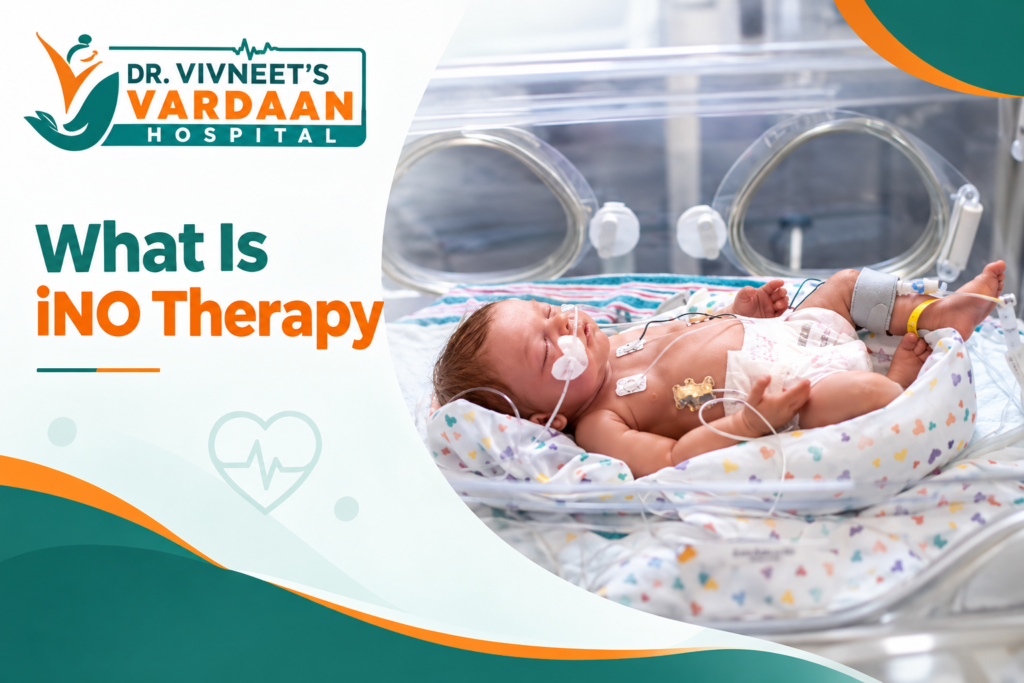
What Is iNO Therapy
What Is iNO Therapy? A Complete Guide for Parents When a newborn has trouble breathing, doctors may use different treatments to help the baby breathe and keep oxygen levels normal. One treatment is called iNO therapy, or inhale nitric oxide therapy. iNO therapy may help some newborns with serious breathing problems and low oxygen levels. It is usually give in the NICU with close medical monitoring. Understanding this treatment can help parents feel more informed during their baby’s NICU stay. This guide explains what iNO therapy is, when doctors may use it, how it works, and what parents can expect. What Is iNO Therapy? iNO therapy means inhaled nitric oxide therapy. It gives a controlled amount of nitric oxide gas directly into the baby’s lungs through their breathing system. Nitric oxide helps relax the blood vessels in the lungs. This can improve blood flow and may help the baby get more oxygen. Doctors may use iNO therapy when a newborn has low oxygen levels due to certain lung or blood vessel problems. How Does iNO Therapy Work? Nitric oxide mainly acts on the blood vessels in the lungs. It helps widen the blood vessels in the lungs. This allows blood to flow more easily through the lungs. It may also help the body take in oxygen and remove carbon dioxide. The baby usually receives iNO through a breathing support system. Doctors carefully control the amount of nitric oxide and closely watch how the baby responds. When Is iNO Therapy Use in Newborns? Doctors may use iNO therapy for some newborns with conditions such as persistent pulmonary hypertension of the newborn (PPHN). It may also be use for some babies with serious breathing problems when other treatments have not help enough. However, iNO therapy is not right for every baby with breathing problems. The neonatologist decides if it is suitable after checking the baby’s condition, oxygen levels, and overall health. What Is PPHN? Persistent pulmonary hypertension of the newborn (PPHN) is a condition where the blood vessels in a baby’s lungs stay too narrow after birth. This can make it difficult for blood to receive enough oxygen in the lungs. In some babies with PPHN, iNO may help relax the blood vessels in the lungs and improve oxygen levels. How Is iNO Therapy Give? iNO is usually give through the baby’s respiratory support system. Depending on the baby’s condition, respiratory support may include: Mechanical ventilation CPAP or other breathing support Other respiratory support methods recommended by the medical team The medical team uses special equipment to give nitric oxide and carefully check its levels. How Long Does iNO Therapy Last? The duration of iNO therapy is different for every newborn. Some babies may need iNO for a short time, while others may need it for longer. The medical team regularly checks the baby’s oxygen levels, breathing, blood gases, and other signs. When the baby’s condition improves, doctors may slowly reduce the nitric oxide level instead of stopping it suddenly. How Do Doctors Monitor a Baby During iNO Therapy? Close monitoring is an important part of iNO treatment. The NICU team may monitor: Oxygen saturation Heart rate Breathing rate Blood pressure Blood gas levels Lung function The baby’s overall clinical condition Response to the treatment The medical team may also do tests such as an echocardiogram to check the baby’s heart function and blood flow through the lungs. Are There Risks or Side Effects of iNO Therapy? Like any medical treatment, iNO therapy can have potential risks. The medical team carefully controls the dose and closely monitors the baby during treatment. In some cases, iNO may affect blood pressure, increase methemoglobin levels, or cause lung-related effects. Stopping iNO too quickly may cause oxygen levels to drop suddenly in some babies. Therefore, doctors usually reduce the treatment slowly when appropriate. The exact risks depend on the baby’s condition and other treatments being use. Is iNO Therapy Safe for Newborns? iNO therapy can be an important treatment for some newborns, especially those with certain types of pulmonary hypertension and low oxygen levels. However, it is not a routine treatment for every newborn with breathing difficulty. A neonatologist checks the baby’s condition and decides if the possible benefits of iNO therapy outweigh the risks. What Can Parents Expect During iNO Therapy? Seeing your baby connected to breathing equipment can feel worrying. It is normal for parents to have questions. During iNO therapy, your baby may be connect to several monitors and breathing support machines. The NICU team will closely watch your baby’s condition throughout the treatment. Parents can ask the medical team: Why does my baby need iNO therapy? What condition is the treatment helping? How will you know if it is working? How long might my baby need it? What other treatments is my baby receiving? What signs show that my baby is improving? Talking openly with the NICU team can help you understand your baby’s treatment and progress. What Happens After iNO Therapy? Once the baby’s oxygen levels and overall condition improve, doctors may slowly reduce iNO therapy. The baby may still need other breathing support or oxygen for some time. This depends on the baby’s condition and how well the lungs and heart are working. The medical team will continue monitoring the baby during this period. Why Is Specialist NICU Care Important? Newborns receiving iNO therapy need close monitoring because their oxygen levels and breathing can change quickly. A specialised NICU team closely watches the baby, adjusts breathing support, and responds quickly if the baby’s condition changes. At Dr. Vivneet Vardaan Hospital, newborns with serious breathing problems can receive specialist neonatal care, continuous monitoring, and medical support. Conclusion iNO therapy is a specialised treatment for some newborns with serious oxygen problems, especially certain cases of pulmonary hypertension. It helps relax the blood vessels in the lungs, which may improve blood flow and oxygen levels. Because every newborn is different, an experienced neonatal team should decide the treatment after carefully checking the