
PICU in Patiala

PICU hospital in Patiala for children
Blog

PICU Hospital in Patiala: What Parents Should Know

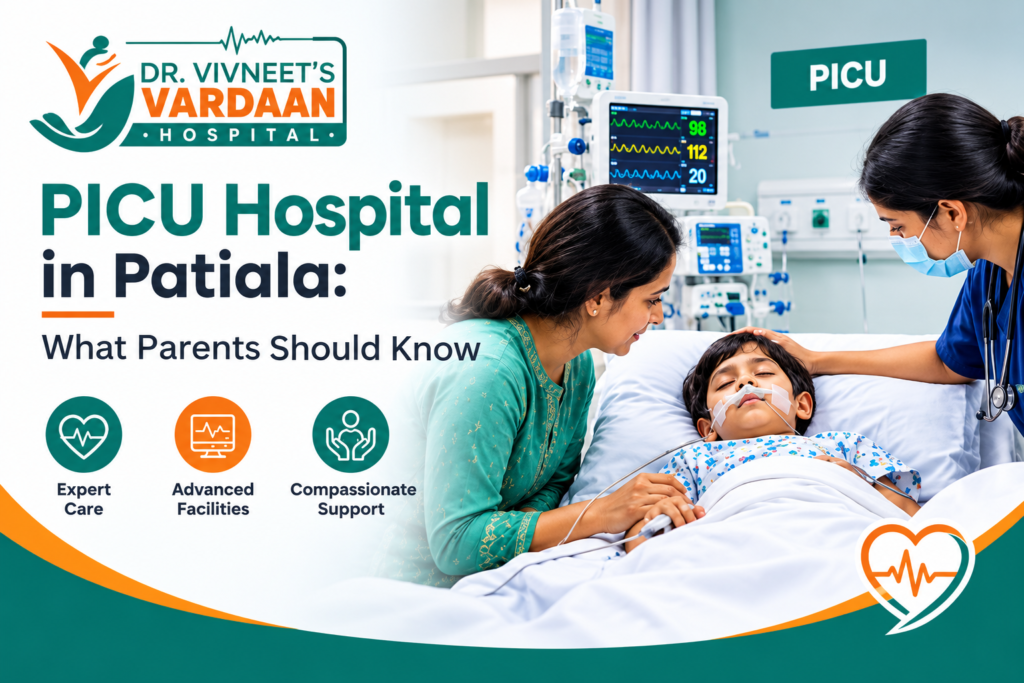
PICU Hospital in Patiala: What Parents Should Know When a child becomes very sick, parents may feel worried and confused about what to do. In some cases, children need close care, regular monitoring, and special treatment in a Pediatric Intensive Care Unit (PICU). A PICU hospital in Patiala provides special care for babies, children, and teenagers who need close monitoring and medical support. Knowing when PICU care may be needed can help parents stay prepared during an emergency. What Is a PICU? PICU stands for Pediatric Intensive Care Unit. It is a special hospital unit that cares for children with serious illnesses, injuries, or health problems that need close monitoring and medical care. In the PICU, a trained medical team continuously monitors the child’s: Breathing and oxygen levels Heart rate and blood pressure Body temperature Fluid levels in the body Brain and nerve function How the child responds to treatment The treatment depends on the child’s age, symptoms, health problem, and overall health. When Does a Child Need PICU Care? Not every sick child needs intensive care. Doctors may recommend PICU care when a child needs closer monitoring or special treatment that a regular pediatric ward cannot provide. A child may need PICU care because of: Severe breathing problems Serious infections Severe pneumonia Sepsis Major injuries or accidents Severe dehydration Seizures that need close monitoring Serious problems after surgery Certain heart or brain-related conditions Health problems that need breathing or other organ support The medical team checks each child carefully before deciding if intensive care is need. What Happens in a PICU? A PICU provides continuous monitoring and special medical care. Depending on the child’s condition, the healthcare team may use: Oxygen therapy Breathing support Intravenous medicines and fluids Continuous heart and oxygen monitoring Blood tests and other investigations Nutritional support Treatment for infections Close monitoring after surgery or a serious illness The medical team changes the treatment based on how the child responds. How Is PICU Different From a General Pediatric Ward? A general pediatric ward cares for children who need hospital treatment but do not need constant close monitoring. A PICU is design for children who need closer monitoring and more medical support. In a PICU, the medical team can watch the child closely and act quickly if the child’s condition changes. How Can Parents Support Their Child in the PICU? Parents can play an important role during their child’s hospital stay. You can help by: Staying calm and reassuring your child Sharing your child’s medical history with the healthcare team Informing doctors about medicines and allergies Following infection-control instructions Asking questions when something is unclear Following the medical team’s advice Supporting your child’s emotional needs It is normal to have questions when your child is in intensive care. Parents should feel free to talk to the medical team about any concerns or questions. Choosing a PICU Hospital in Patiala If your child needs intensive care, choose a hospital with proper pediatric facilities and trained medical professionals. Parents may consider factors such as: Availability of pediatric intensive care Experienced pediatric medical team Continuous monitoring facilities Emergency care support Respiratory support when clinically required Diagnostic facilities Infection-control practices Communication with parents and caregivers Dr. Vivneet’s Vardaan Hospital provides specialised mother and child healthcare in Patiala. The hospital offers pediatric and intensive care services based on the child’s medical needs. When Should Parents Seek Urgent Medical Care? Parents should seek urgent medical help if their child develops serious symptoms such as: Severe difficulty breathing Blue or grey lips or skin Unusual sleepiness or difficulty waking Seizures Severe dehydration Loss of consciousness Severe or rapidly worsening illness Significant injury A child who appears seriously unwell If you are worry about your child’s health, seek medical help quickly instead of waiting for the symptoms to get worse. Conclusion When a child needs intensive medical care, quick assessment and close monitoring are important. A PICU hospital in Patiala can provide specialised care and treatment for children with serious or complex health problems. Dr. Vivneet’s Vardaan Hospital provides pediatric and intensive care services based on each child’s medical needs. Parents should always discuss their child’s condition and treatment options with the medical team. Follow up Instagram and Facebook for more information. FAQs About PICU Hospital in Patiala What does PICU stand for? PICU stands for Pediatric Intensive Care Unit. It provides special care and continuous monitoring for children who are seriously ill or need intensive medical support. Is PICU only for very sick children? PICU care is usually for children who need closer monitoring or special treatment that a regular pediatric ward cannot provide. Doctors carefully check each child’s condition before recommending PICU care. Can babies be admit to a PICU? Yes. Babies may need intensive care depending on their age and health condition. Newborn babies may receive specialised care in a NICU when neonatal intensive care is more suitable. How long does a child stay in the PICU? The length of stay can vary. It depends on the child’s health problem, response to treatment, and need for close monitoring or medical support. Is PICU the same as NICU? No. A NICU (Neonatal Intensive Care Unit) mainly cares for newborn babies who need special intensive care. A PICU provides intensive care for babies, children, and teenagers based on their medical needs. PICU stands for Pediatric Intensive Care Unit. It provides special care and continuous monitoring for children who are seriously ill or need intensive medical support. PICU care is usually for children who need closer monitoring or special treatment that a regular pediatric ward cannot provide. Doctors carefully check each child’s condition before recommending PICU care. Yes. Babies may need intensive care depending on their age and health condition. Newborn babies may receive specialised care in a NICU when neonatal intensive care is more suitable. The length of stay can vary. It depends on the child’s health problem, response to treatment, and need for close monitoring or medical support. No. A NICU (Neonatal
PICU vs NICU difference in specialised child and newborn care
Blog

PICU vs NICU What Is the Difference

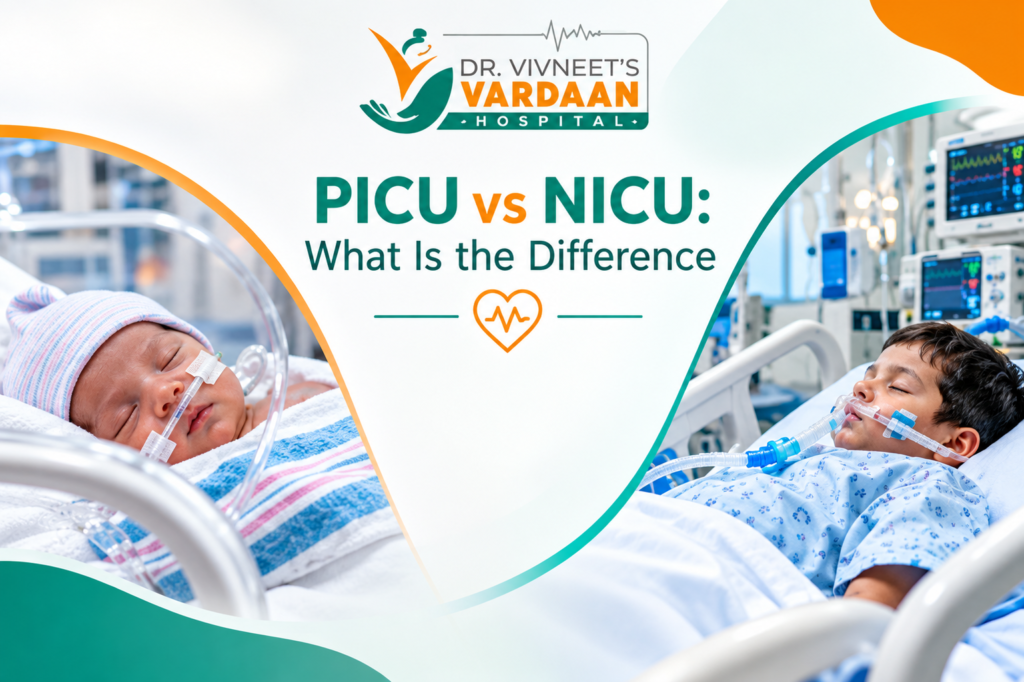
PICU vs NICU: What Is the Difference? When a child needs intensive medical care, parents may hear terms like NICU and PICU. Both provide special care, but they are for different age groups and medical needs. Knowing the difference between a NICU and PICU can help parents better understand their child’s treatment and care. What Is a NICU? NICU stands for Neonatal Intensive Care Unit. It provides special care for newborn babies who need close monitoring or extra medical support. Newborns may need NICU care because of: Premature birth Low birth weight Breathing difficulties Infections Feeding problems Birth complications Low oxygen levels Conditions requiring specialised monitoring NICU teams include doctors, nurses, and other healthcare staff who are train to care for newborn babies. What Is a PICU? PICU stands for Paediatric Intensive Care Unit. It provides special care for babies, children, and teenagers who are seriously ill or need close monitoring and specialised treatment. Children may need PICU care because of: Severe infections Breathing problems Serious injuries Complications after surgery Severe dehydration or other medical conditions Heart or neurological problems Conditions requiring advanced monitoring or organ support The exact age range treated in a PICU can vary between hospitals. PICU vs NICU: Key Difference The main difference is the type and age of patients cared for. NICU PICU Neonatal Intensive Care Unit Paediatric Intensive Care Unit Mainly cares for newborn babies Cares for infants, children, and adolescents Focuses on newborn and premature care Focuses on seriously ill or critically injured children Commonly manages prematurity and newborn conditions Manages serious illnesses, injuries, and complex conditions in children Provides specialised neonatal monitoring and support Provides specialised paediatric monitoring and intensive care Both units require trained medical teams, continuous monitoring, and specialised equipment. When Does a Newborn Need NICU Care? A newborn may be admit to the NICU when they need more medical support than a regular newborn care unit can safely provide. For example, premature babies may need help with breathing, staying warm, feeding, or monitoring their vital signs. Some full-term newborns may also need NICU care because of infection, breathing problems, low oxygen levels, or other health issues. The decision depends on the baby’s condition and the assessment of the neonatal team. When Does a Child Need PICU Care? A child may need PICU care when they require close monitoring, intensive treatment, or specialised medical support. The PICU team may closely monitor breathing, heart rate, blood pressure, oxygen levels, and other important health signs. Some children may need breathing support, medicines through an IV, or other intensive care based on their condition. Is NICU More Serious Than PICU? Not necessarily. NICU and PICU both care for patients who need a higher level of medical support. The main difference is the patient’s age, condition, and type of care they need. A newborn may need NICU care because they were born early, while an older child may need PICU care because of a serious infection or injury. The level of care is decide by the treating medical team after assessing the child’s condition. What Happens in a NICU or PICU? Both units provide continuous monitoring and specialised medical care. Depending on the child’s needs, care may include: Continuous monitoring of vital signs Respiratory support Medication and IV treatment Nutritional support Blood tests and other investigations Specialist consultations Close observation by trained healthcare professionals The medical team usually keeps parents informed about their child’s condition, treatment, and progress. Can Babies Be Treat in a PICU? In some hospitals, very young babies may receive care in the PICU. This depends on their condition, age, available facilities, and the hospital’s care guidelines. However, newborns who need special neonatal care are usually treat by a neonatal team in a NICU or specialise newborn care unit. The appropriate unit depends on the baby’s medical needs. Can a Child Move From NICU to PICU? In some cases, a child may need to move to another specialised unit or hospital as their medical needs change. For example, a newborn may first receive care in the NICU and later need PICU care as they grow or if their medical needs change. The treating medical team makes these decisions based on the child’s clinical condition and the level of care required. Why Is Specialise Intensive Care Important? Newborns and children have different medical needs. Their bodies, organs, medicine needs, and responses to illness can change with age. That is why intensive care units use special equipment, monitoring systems, and healthcare teams trained to care for different age groups. Early assessment and timely medical care can be important when a child develops serious symptoms. Conclusion NICU and PICU both provide specialised intensive care, but they care for different age groups. NICU care mainly focuses on newborn babies, including premature or medically fragile babies. PICU care is for infants, children, and teenagers who need close monitoring or intensive treatment. If your child needs intensive care, the medical team will choose the right unit based on their age, condition, and specific healthcare needs. Dr. Vivneet Vardaan Hospital provides specialised neonatal and paediatric care for newborns and children who need close monitoring and advanced medical support. Follow up Instagram and Facebook for more information. Frequently Asked Questions What does NICU stand for? NICU stands for Neonatal Intensive Care Unit. It provides special intensive care for newborn babies who need close monitoring or extra medical support. What does PICU stand for? PICU stands for Paediatric Intensive Care Unit. It provides special intensive care for babies, children, and teenagers with serious illnesses or injuries. What is the main difference between PICU and NICU? NICU mainly provides specialised care for newborns, while PICU provides intensive care for babies, children, and teenagers who need advanced medical support. Is PICU only for children? PICU is design for children who need intensive care. The exact age range may vary depending on the hospital and its services. Does every premature baby need NICU care? No. The need for NICU care depends on

Scroll to Top