

Intensive Care for Children

how many wet diapers should a baby have
Blog

How Many Wet Diapers Should a Baby Have

How Many Wet Diapers Should a Baby Have? When Is No Urine for Hours a Concern? Are you worry because your baby has fewer wet diapers than usual? Wet diapers help parents understand whether their baby is getting enough milk and staying hydrated. However, if your baby has not passed urine for several hours, it may be a sign of dehydration or another health problem. Knowing how many wet diapers to expect can help you recognise warning signs early and seek medical advice when needed. How Many Wet Diapers Should a Baby Have in a Day? The number of wet diapers usually increases during the first week after birth. It also depends on your baby’s age, feeding, and health. Here is a simple guide for parents: Day 1: At least 1 wet diaper in the first 24 hours. Day 2: Around 2 wet diapers in 24 hours. Day 3: Around 3 wet diapers in 24 hours. Day 4: Around 4 wet diapers in 24 hours. Day 5 onwards: Usually at least 6 wet diapers every 24 hours. After the first week, most healthy babies have around 6 or more wet diapers daily. A sudden decrease in wet diapers may mean your baby is not getting enough milk or fluids. What Does It Mean If a Baby Has No Urine for Hours? If your baby has not passed urine for several hours, pay attention to their feeding, behaviour, and other symptoms. Possible reasons include: Not getting enough milk: Your baby may not be feeding well or may have difficulty breastfeeding. Dehydration: Fever, vomiting, diarrhoea, or poor feeding can cause fluid loss. Illness: Some infections and other medical conditions can reduce urine output. Feeding difficulties: A newborn may need help with breastfeeding or feeding routines. Do not assume that fewer wet diapers are normal, especially in a newborn or a baby who seems unwell. When Should You Worry About No Wet Diapers? Contact a healthcare professional promptly if your baby is passing much less urine than usual. Seek urgent medical assessment if: Newborn has not passed urine within the first 24 hours after birth. Baby has no wet diaper for around 8 hours, particularly if this is unusual. Your baby has a dry mouth, fewer tears, or a sunken soft spot on the head. Your baby is feeding poorly, vomiting repeatedly, or has diarrhoea. Your baby seems unusually sleepy, weak, or difficult to wake. Important: Do not wait for 8 hours if your baby appears seriously unwell. Seek emergency medical care if your baby is difficult to wake, has trouble breathing, or shows signs of severe dehydration. How Can Parents Help Maintain Healthy Urine Output? You can monitor your baby’s wet diapers and feeding to help identify possible problems early. Here are some useful tips: Feed your baby regularly: Offer breast milk or formula appropriate for your baby’s age and feeding plan. Track wet diapers: Note how often your baby urinates throughout the day and night. Check feeding patterns: Watch for effective sucking and swallowing during feeds. Look for other symptoms: Monitor fever, vomiting, diarrhoea, dry mouth, and unusual sleepiness. Seek medical advice early: If your baby’s urine output decreases, consult a paediatrician rather than waiting for symptoms to worsen. Do not give plain water to a young infant unless a healthcare professional specifically advises it. When Should You Consult a Paediatrician? Every baby has different feeding needs. However, fewer wet diapers can be an early sign that your baby needs medical attention. A paediatrician can assess feeding, hydration, weight changes, and possible causes of reduced urine output. Early assessment is especially important for newborns, premature babies, and infants who are unwell. Get Expert Newborn and Child Care at Dr. Vivneet’s Vardaan Hospital At Dr. Vivneet’s Vardaan Hospital, Patiala, parents can seek guidance about newborn health, feeding concerns, and changes in a baby’s urine output. If your baby has fewer wet diapers than usual or has not passed urine for several hours, seek timely medical advice. Prompt assessment can help identify potential problems and guide the next steps for your baby’s care. Concerned about your baby’s wet diapers? Consult a paediatrician and get the right guidance for your little one’s health. Medical note: This article is for general information and does not replace an examination by a qualified healthcare professional. Follow up Instagram and Facebook for more information.
PICU hospital in Patiala for children
Blog

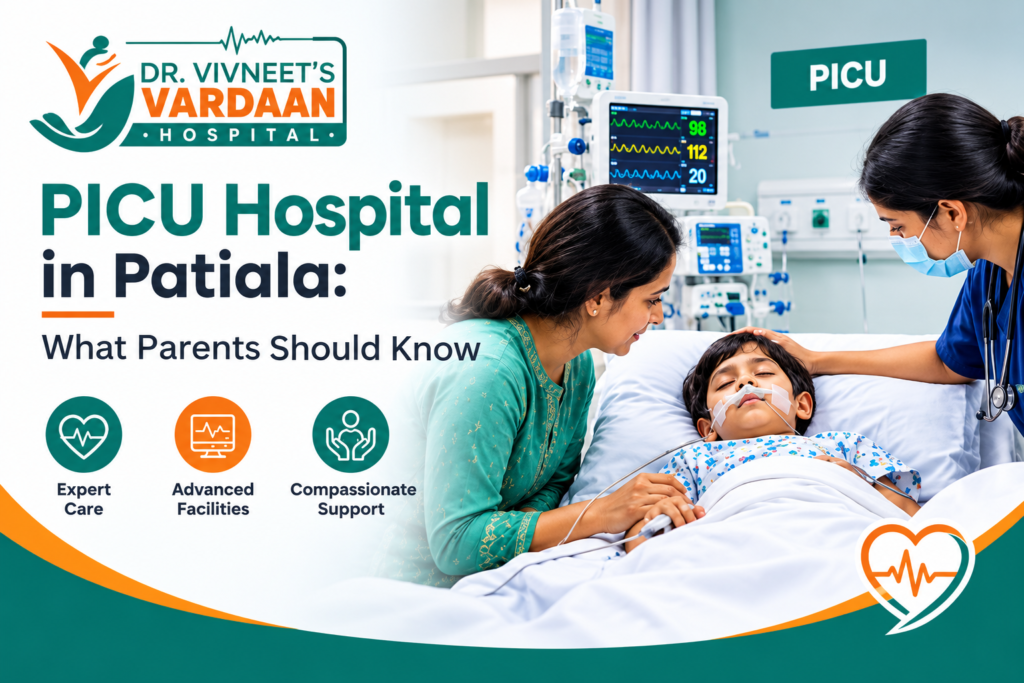
PICU Hospital in Patiala: What Parents Should Know

PICU Hospital in Patiala: What Parents Should Know When a child becomes very sick, parents may feel worried and confused about what to do. In some cases, children need close care, regular monitoring, and special treatment in a Pediatric Intensive Care Unit (PICU). A PICU hospital in Patiala provides special care for babies, children, and teenagers who need close monitoring and medical support. Knowing when PICU care may be needed can help parents stay prepared during an emergency. What Is a PICU? PICU stands for Pediatric Intensive Care Unit. It is a special hospital unit that cares for children with serious illnesses, injuries, or health problems that need close monitoring and medical care. In the PICU, a trained medical team continuously monitors the child’s: Breathing and oxygen levels Heart rate and blood pressure Body temperature Fluid levels in the body Brain and nerve function How the child responds to treatment The treatment depends on the child’s age, symptoms, health problem, and overall health. When Does a Child Need PICU Care? Not every sick child needs intensive care. Doctors may recommend PICU care when a child needs closer monitoring or special treatment that a regular pediatric ward cannot provide. A child may need PICU care because of: Severe breathing problems Serious infections Severe pneumonia Sepsis Major injuries or accidents Severe dehydration Seizures that need close monitoring Serious problems after surgery Certain heart or brain-related conditions Health problems that need breathing or other organ support The medical team checks each child carefully before deciding if intensive care is need. What Happens in a PICU? A PICU provides continuous monitoring and special medical care. Depending on the child’s condition, the healthcare team may use: Oxygen therapy Breathing support Intravenous medicines and fluids Continuous heart and oxygen monitoring Blood tests and other investigations Nutritional support Treatment for infections Close monitoring after surgery or a serious illness The medical team changes the treatment based on how the child responds. How Is PICU Different From a General Pediatric Ward? A general pediatric ward cares for children who need hospital treatment but do not need constant close monitoring. A PICU is design for children who need closer monitoring and more medical support. In a PICU, the medical team can watch the child closely and act quickly if the child’s condition changes. How Can Parents Support Their Child in the PICU? Parents can play an important role during their child’s hospital stay. You can help by: Staying calm and reassuring your child Sharing your child’s medical history with the healthcare team Informing doctors about medicines and allergies Following infection-control instructions Asking questions when something is unclear Following the medical team’s advice Supporting your child’s emotional needs It is normal to have questions when your child is in intensive care. Parents should feel free to talk to the medical team about any concerns or questions. Choosing a PICU Hospital in Patiala If your child needs intensive care, choose a hospital with proper pediatric facilities and trained medical professionals. Parents may consider factors such as: Availability of pediatric intensive care Experienced pediatric medical team Continuous monitoring facilities Emergency care support Respiratory support when clinically required Diagnostic facilities Infection-control practices Communication with parents and caregivers Dr. Vivneet’s Vardaan Hospital provides specialised mother and child healthcare in Patiala. The hospital offers pediatric and intensive care services based on the child’s medical needs. When Should Parents Seek Urgent Medical Care? Parents should seek urgent medical help if their child develops serious symptoms such as: Severe difficulty breathing Blue or grey lips or skin Unusual sleepiness or difficulty waking Seizures Severe dehydration Loss of consciousness Severe or rapidly worsening illness Significant injury A child who appears seriously unwell If you are worry about your child’s health, seek medical help quickly instead of waiting for the symptoms to get worse. Conclusion When a child needs intensive medical care, quick assessment and close monitoring are important. A PICU hospital in Patiala can provide specialised care and treatment for children with serious or complex health problems. Dr. Vivneet’s Vardaan Hospital provides pediatric and intensive care services based on each child’s medical needs. Parents should always discuss their child’s condition and treatment options with the medical team. Follow up Instagram and Facebook for more information. FAQs About PICU Hospital in Patiala What does PICU stand for? PICU stands for Pediatric Intensive Care Unit. It provides special care and continuous monitoring for children who are seriously ill or need intensive medical support. Is PICU only for very sick children? PICU care is usually for children who need closer monitoring or special treatment that a regular pediatric ward cannot provide. Doctors carefully check each child’s condition before recommending PICU care. Can babies be admit to a PICU? Yes. Babies may need intensive care depending on their age and health condition. Newborn babies may receive specialised care in a NICU when neonatal intensive care is more suitable. How long does a child stay in the PICU? The length of stay can vary. It depends on the child’s health problem, response to treatment, and need for close monitoring or medical support. Is PICU the same as NICU? No. A NICU (Neonatal Intensive Care Unit) mainly cares for newborn babies who need special intensive care. A PICU provides intensive care for babies, children, and teenagers based on their medical needs. PICU stands for Pediatric Intensive Care Unit. It provides special care and continuous monitoring for children who are seriously ill or need intensive medical support. PICU care is usually for children who need closer monitoring or special treatment that a regular pediatric ward cannot provide. Doctors carefully check each child’s condition before recommending PICU care. Yes. Babies may need intensive care depending on their age and health condition. Newborn babies may receive specialised care in a NICU when neonatal intensive care is more suitable. The length of stay can vary. It depends on the child’s health problem, response to treatment, and need for close monitoring or medical support. No. A NICU (Neonatal
Paediatric Intensive Care What Parents Need to Know
Blog

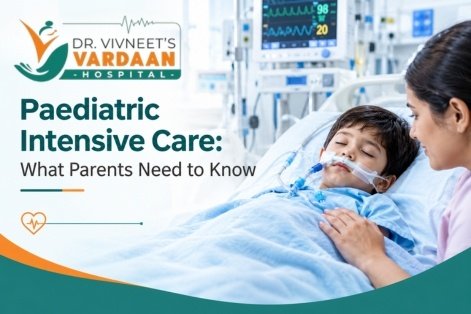
Paediatric Intensive Care: What Parents Need to Know

Paediatric Intensive Care: What Parents Need to Know When your child becomes very sick, you may hear the term Paediatric Intensive Care Unit (PICU). For many parents, hearing this can feel scary. However, a PICU provides close monitoring and specialised care for children who need extra medical support. At Dr. Vivneet’s Vardaan Hospital in Patiala, paediatric intensive care provides timely treatment, continuous monitoring, and advanced medical support for seriously ill children. What Is Paediatric Intensive Care? Paediatric Intensive Care is specialise care for babies, children, and teenagers who are seriously ill or need close medical monitoring. A Paediatric Intensive Care Unit (PICU) has trained medical staff, specialised equipment, and systems that continuously monitor children. These tools help doctors and nurses quickly notice changes in a child’s condition and provide the right treatment. Children may need PICU care for severe infections, breathing problems, serious injuries, or other conditions that require close medical care and support. When Does a Child Need PICU Care? Not every sick child needs intensive care. Doctors recommend PICU care when a child needs closer monitoring or more advanced treatment than a regular paediatric ward can provide. A child may need PICU care because of: Severe breathing difficulties Serious infections Severe pneumonia Blood pressure or circulation problems Serious injuries or accidents Seizures requiring close monitoring Complications after major surgery Severe dehydration or electrolyte problems Conditions affecting the brain, heart, lungs, or other organs The medical team checks each child carefully before deciding if PICU care is need. What Happens in a PICU? In the PICU, your child receives continuous medical monitoring. The healthcare team regularly checks important signs such as: Heart rate Breathing rate Oxygen levels Blood pressure Temperature Level of consciousness Doctors may also use blood tests, scans, or other tests to understand the child’s condition. Depending on the child’s needs, treatment may include oxygen, medicines, fluids, breathing support, or other specialised care. Does PICU Mean My Child Is in Serious Danger? PICU admission means your child needs closer monitoring or specialised medical support. It does not always mean that the child will have a poor outcome. Children may need PICU care for different reasons and for different lengths of time. Some children recover quickly, while others may need more time for monitoring and treatment. The medical team will explain your child’s condition, treatment plan, and progress to you. What Can Parents Expect During PICU Care? Seeing your child connected to monitors or medical equipment can feel scary. The healthcare team will keep you informed about your child’s condition and explain the care being provided. Parents can expect: Regular updates from the medical team Continuous monitoring of the child Treatment based on the child’s condition Regular assessment of progress Communication about tests and procedures Guidance about what parents can do during recovery If you do not understand a medical term or procedure, ask the healthcare team to explain it in simple words. How Can Parents Support a Child in the PICU? Your presence can help comfort and reassure your child. Depending on your child’s condition and hospital rules, you may be able to talk to them, hold their hand, or stay close by. You can also support your child by: Staying calm and reassuring Following the medical team’s instructions Asking questions about treatment Sharing important medical history Informing doctors about medicines or allergies Taking care of your own rest and wellbeing Remember, it is completely okay to ask questions. Understanding your child’s care can help you feel more informed and prepared. How Long Does a Child Stay in the PICU? There is no fixed time for a PICU stay. It depends on the child’s illness, response to treatment, and the level of medical support they need. When the child’s condition becomes stable and they no longer need intensive monitoring, doctors may move them to a regular paediatric ward or plan for discharge, depending on their recovery. Paediatric Intensive Care at Dr. Vivneet’s Vardaan Hospital At Dr. Vivneet’s Vardaan Hospital in Patiala, children who need intensive medical care can receive specialised treatment based on their individual needs. The hospital focuses on expert medical care, close monitoring, trained healthcare professionals, and advanced medical technology to support children during serious illness. If your child has severe breathing problems, unusual sleepiness, seizures, a serious infection, or other worrying symptoms, seek urgent medical care. A doctor can assess your child and decide what level of care they need. Conclusion Paediatric Intensive Care provides specialised care for children who need close monitoring and advanced medical treatment. Although PICU admission can feel stressful for parents, the goal is to provide your child with the care, treatment, and close monitoring they need during a serious illness. If you are worry about your child’s health, speak to a qualify paediatrician promptly. Early medical assessment can help doctors understand your child’s condition and decide the right level of care. Follow up instagram and facebook for more information. Frequently Asked Questions What is paediatric intensive care? Paediatric intensive care is specialise care for seriously ill children who need continuous monitoring, treatment, or advance medical support. What is the difference between PICU and a normal paediatric ward? A PICU provides close monitoring and specialise care for children who are seriously ill or need intensive treatment. Can babies be admit to a PICU? Yes. Babies may need intensive care depending on their age and medical condition. Newborns usually receive specialised care in a NICU, while older babies and children may receive care in a PICU.Lorem ipsum dolor sit amet, consectetur adipiscing elit. Ut elit tellus, luctus nec ullamcorper mattis, pulvinar dapibus leo. Is PICU care only for emergencies? PICU care is often need for serious or emergency conditions. Children may also need intensive monitoring after major surgery or when they have a medical condition that needs close observation. How can parents help during PICU care? Parents can support their child by staying calm and reassuring, talking with the medical team, sharing important medical information, and following healthcare instructions. Paediatric

PICU care for children at Vardaan Hospital in Patiala
Blog

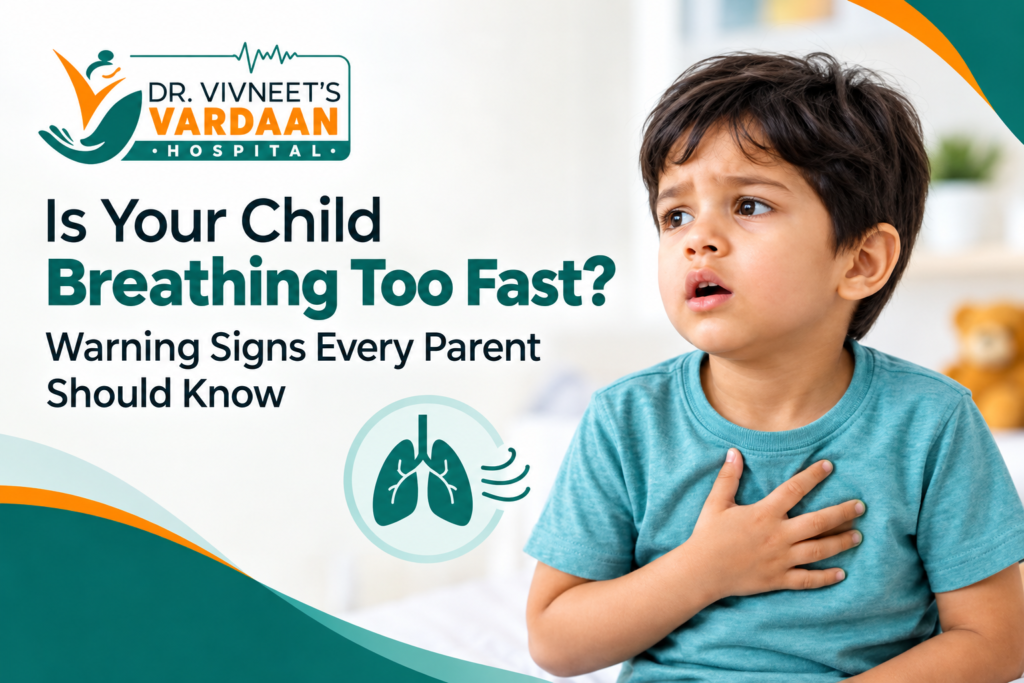
Is Your Child Breathing Too Fast? Warning Signs Every Parent Should Know

Is Your Child Breathing Too Fast? Warning Signs Every Parent Should Know A cough can sound much worse at night. You may find yourself watching your child sleep, wondering: “Is this normal, or is my child struggling to breathe?” The answer is not always in how loud the cough sounds. It is often in how hard your child is working to breathe, how they are behaving and whether they can drink or feed normally. Most colds do not require intensive care. But children, especially babies, can become unwell quickly. Knowing a few signs can help you decide when to seek medical attention. Get emergency help immediately If your child has blue or grey lips, stops breathing or has breathing pauses, is struggling for every breath, cannot speak or cry because of breathlessness, or is floppy or difficult to wake, go to the nearest emergency department or call 112 in India. Do not delay emergency care to reach a particular hospital. When is a same-day doctor visit needed? Seek urgent medical advice if fast breathing continues when your child is calm, the chest is pulling in, wheezing or harsh breathing sounds appear, your child drinks much less than usual, or urine/wet nappies decrease. A baby younger than three months with a temperature of 38°C or higher needs prompt medical assessment, even if the breathing signs seem mild. If symptoms are severe or worsening rapidly, use emergency services instead of waiting for an appointment. Why do children develop breathing trouble? Breathing difficulty can have several causes. Therefore, parents should avoid trying to identify the cause from one symptom alone. For example, a viral infection may affect the small airways and cause bronchiolitis. Pneumonia can affect the lungs, while asthma can cause airway narrowing and inflammation. Similarly, croup can cause a barking cough and a harsh breathing sound. In addition, a severe allergic reaction or an inhaled object can cause sudden breathing problems. The timing and pattern also matter. For instance, doctors may ask whether your child had a cold first, whether there is a fever, or whether the breathing problem started suddenly while eating or playing. As a result, a medical examination is important when breathing symptoms are persistent, worsening, or concerning. What can parents do while arranging help? Keep observing. Notice the effort of breathing, alertness and whether your child can drink. Recheck often, including overnight when ill. For a mildly congested baby who is otherwise breathing comfortably, plain saline nose drops and gentle nasal clearing may help feeding. Follow your paediatrician’s advice. Offer small, frequent feeds if your child can feed safely. If breathing is too difficult for feeding, seek urgent medical care rather than forcing feeds. Follow an existing asthma action plan if your child has one; get urgent help if symptoms are not improving or are getting worse. Avoid smoke exposure. Do not start antibiotics, cough-and-cold medicines or new breathing treatments on your own. What will the doctor check? A paediatrician looks at more than the cough. They will assess how much effort each breath takes, check oxygen levels when appropriate, listen to the chest and consider feeding, hydration, age and underlying conditions. Tests such as a chest X-ray are use when clinically need – not automatically for every child with a cold. Treatment depends on the cause and how sick the child is. When may a child need hospital admission? Some children need oxygen, help with hydration, medicines or observation because their breathing is not improving. Hospital admission is based on the overall assessment; it is not automatic for every case of bronchiolitis, asthma or pneumonia. A doctor may recommend more intensive monitoring if a child is tiring, has breathing pauses, needs increasing breathing support or is not maintaining adequate oxygen despite treatment. What does PICU care mean for your child? PICU stands for Paediatric Intensive Care Unit. It is a place for children who need closer monitoring or treatment than a regular ward can provide. A PICU admission does not automatically mean that a child needs a breathing tube or a ventilator. The team may monitor breathing, heart rate and oxygen levels closely, treat the illness causing the difficulty and adjust support as needed. Some children improve with oxygen and medicines; others need additional help with breathing. The team reviews the child repeatedly so that treatment can be increase or reduce according to the response. What parents can ask the PICU team What is making my child’s breathing difficult? What changes are you watching for in the next few hours? How will we know that the treatment is helping? When might breathing support be reduced or ward care become appropriate? Paediatric respiratory care in Patiala At Dr. Vivneet’s Vardaan Hospital, Patiala, children with significant breathing difficulties can be assessed by the paediatric team, including Dr. Vivneet Singh and paediatric intensivist Dr. Neeraj. Their treatment decisions are guided by the child’s condition, not by a fixed machine-based approach. When clinically needed, the hospital has options for advanced respiratory support, including high-flow oxygen and specialised neonatal ventilation. Not every treatment suits every age or illness; the treating specialist decides what is appropriate. The main message for parents Do not wait for blue lips or extreme exhaustion before seeking help. If your child is breathing harder or faster than usual, feeding poorly or becoming less responsive, get them assessed promptly. Frequently asked questions Does fast breathing with fever always mean pneumonia? No. Several infections and other conditions can cause it. A clinician needs to examine the child and decide whether any tests are needed. Does every child with pneumonia need a PICU? No. PICU care is considered when a child needs intensive monitoring or additional support, not simply because of the name of the illness. Should I wait until morning if my child is breathing fast at night? Not if they are struggling, the chest is pulling in, they are feeding poorly, or you are concerned their condition is worsening. Severe signs are an emergency. Can my baby

Scroll to Top